UK Train Display Failure Disrupts Victoria Station at Peak Hour
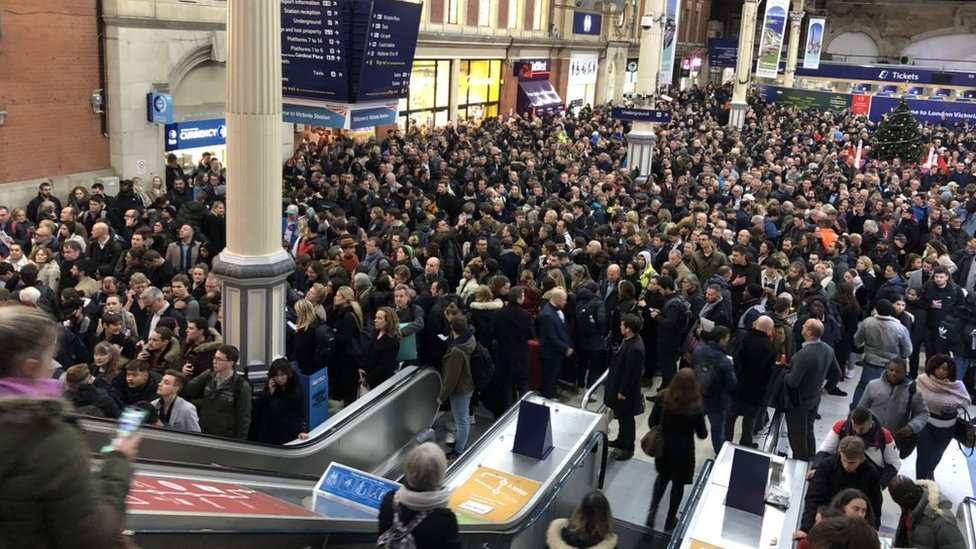
Britain’s trains were somewhere on Thursday, May 7. The boards at Victoria Station just could not confirm where. It was reported that the UK’s latest contribution to public transport innovation was, in essence, a quantum rail system. Trains existed. Their platforms, times, and destinations did not.
The UK train display failure struck at peak commute time. Where platforms, stations, and times usually appear, passengers instead found a network error message and a clock. At least the time worked. Tourists looked baffled. Regular commuters trudged toward platforms they had memorised through daily repetition. In the back office, staff presumably hammered keyboards with increasing desperation.
UK Train Display Failure at the Worst Possible Moment
This was not a quiet Tuesday. Train disruptions across the wider region had already reached national news. The blank boards, therefore, felt less like a glitch and more like a confession. For many passengers, the failing screen confirmed what their morning had already told them. Nothing was going well. The Register described the situation as Schrödinger’s trains: they were both running and not running, at least until someone could check a platform.
Not the First, Not the Last
Transport for London and National Rail regularly face passenger frustration over reliability. The UK rail system operates under multiple private operators, coordinated nationally, which adds layers of complexity to any system’s failure. When one information feed breaks, the cascade through departure boards can leave an entire station dark. The Register, clearly in good spirits about the whole affair, noted that commuters carry enough institutional memory to navigate without data. Tourists, unfortunately, do not.