Denmark Pause Exposes Europe’s AI Power Problem
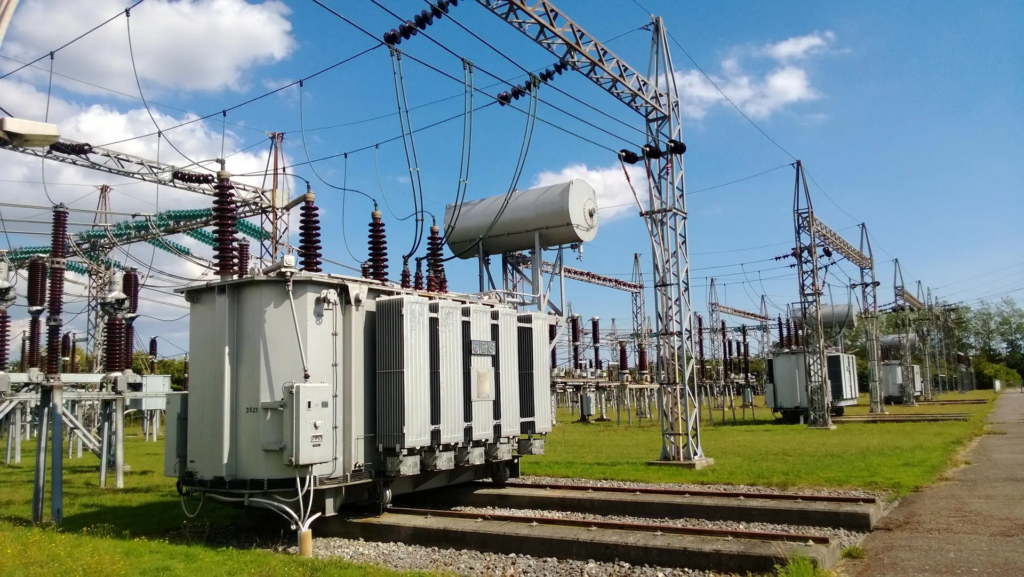
Something had to give. Denmark’s power grid, one of the cleanest in Europe, is now the front line of a battle that the entire continent is watching.
In March, Denmark’s state-owned grid operator Energinet introduced a temporary pause on new grid connection agreements due to an “explosion” in capacity requests. The scale of the problem is staggering. Around 60 GW of projects are awaiting connection. That far exceeds Denmark’s peak electricity demand of around 7GW. Data centres account for nearly a quarter of the 60GW potential new grid connection projects, 14GW.
Denmark had around 398MW of installed data centre capacity in 2026, with an additional 208MW under construction. That is set to grow by 1.2GW by 2030, according to the DDI Association. Hyperscalers make up 60% of Denmark’s current capacity.
The pause creates a political vacuum at the worst possible moment. No political decisions can be made while Denmark forms a new government following a general election, leaving Energinet in a regulatory holding pattern.
Why the Denmark Data Centre Moratorium Could Spread
The pause is officially set to last three months, but industry insiders say an extension cannot be ruled out. DDI CEO Henrik Hansen was direct about the limits. “It’s not possible to really just go berserk with all kinds of connection agreements, because the power is not available,”
For hyperscalers, this creates an uncomfortable choice. Pernille Hoffmann, managing director of the Nordics at Digital Realty, warned that companies move quickly when moratoriums lack clear timelines. “If you cannot get your AI workloads located in Denmark, you’ll just move them somewhere else.”
However, Energinet’s Chief Operating Officer sees an opportunity. Energinet COO Soren Dupont Kristensen said the temporary pause can be seen as a “window of opportunity” to rethink regulation.
Only two European countries have enforced full moratoriums on data centres, namely the Netherlands and Ireland. Both member states have since eased restrictions under certain conditions.
Ireland’s experience offers a model. Ireland eased its moratorium late last year, and that led to “one of the most comprehensive regulatory frameworks in Europe for managing large energy users,” said Alistair Speirs, general manager at Microsoft’s Azure Infrastructure.
Meanwhile, global electricity demand from data centres soared by 17% in 2025. Electricity consumption from data centres is set to double by 2030, and power use from those focused on AI is poised to triple. Therefore, the Denmark data centre moratorium grid crisis is not a local regulatory problem. It is the first clear signal of what the AI boom will demand from every national grid in Europe.