The MacBook Pro for Linux Users Is Here.
Quick Reads
- Framework launched the Laptop 13 Pro on April 21, 2026, the first Framework machine to ship with Linux pre-installed.
- CEO Nirav Patel calls it a “MacBook Pro for Linux users,” a deliberate positioning that reflects the fact that Linux users already outnumber Windows users on the Framework Laptop 13 by 55 to 45 per cent
- The new machine runs Intel Core Ultra Series 3 processors, uses LPCAMM2 memory modules up to 64GB, a 700-nit touchscreen display with 120Hz variable refresh, and a 22 per cent larger battery starting at $1,199 for DIY
- atel has also been outspoken about the global RAM crisis, warning that AI data centres are absorbing supply faster than manufacturers can respond.
Two stories are happening at Framework right now, and they are connected in a way that says something real about where the PC industry is headed. The first is a laptop. The second is a warning.
A discussion with Framework CEO Nirav Patel ahead of the Framework Laptop 13 Pro launch on April 21, 2026, to discuss both: a new machine that represents the most significant hardware redesign in the company’s five-year history, and an industry-wide RAM crisis that Patel believes is actively reshaping what it means to own a personal computer.
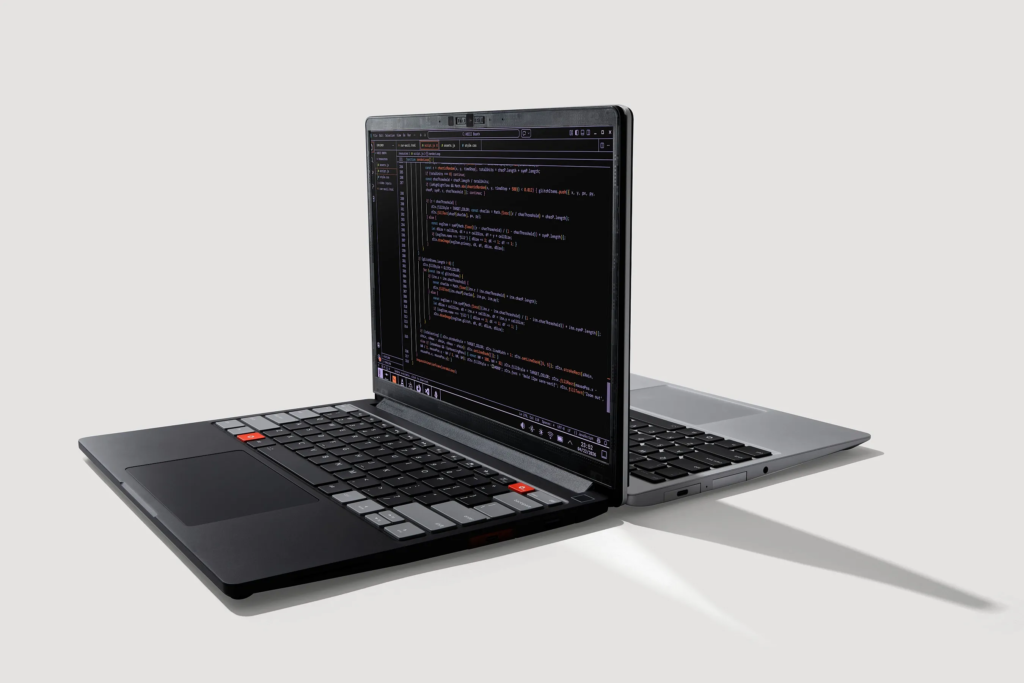
Start with the laptop. The Framework Laptop 13 Pro is, on paper, exactly what its name suggests: a Pro-level refinement of the machine that built Framework’s reputation. The chassis is now fully machined from 6000-series aluminium, a first for the company, replacing the previous mixed-material body with something more rigid and premium without sacrificing modularity. Tom’s confirmed that the display is Framework’s first fully custom screen, a 13.5-inch 3:2 panel at 2880×1920 resolution with 700 nits of brightness, variable refresh between 30Hz and 120Hz, anti-glare coating, and touch support for the first time on a 13-inch Framework. The battery is 22 per cent larger than the previous generation, and Framework is now bundling a 100W GaN charger instead of the old 60W unit to handle it.
Memory is where the design gets interesting, given the current supply situation. The 13 Pro uses LPCAMM2 modules, a newer format that combines LPDDR5X performance with the key advantage of being a swappable module rather than soldered silicon. Options run from 16GB to 64GB. Patel told Tom’s Hardware that Framework intends to stock these modules directly in its own store, specifically because they are difficult to source elsewhere right now. Storage goes up to 8TB via PCIe 5.0 NVMe.
The Linux angle is the sharpest departure from every Framework laptop before this one shipped with Windows or required buyers to install Linux themselves. The 13 Pro is the first to come with Linux pre-loaded at the factory and the first to carry official Ubuntu Certified status. It was reported that internal surveys show Linux users already make up 55 per cent of the Framework Laptop 13 user base, compared with a 45 per cent Windows split, a figure that is almost the inverse of how the broader market looks, where Linux adoption sits in the low single digits. Patel’s framing of the 13 Pro as a “MacBook Pro for Linux users” is not casual marketing. It is a direct response to where his customers already are.
Pre-orders are open now, and shipments begin in June. The DIY Edition starts at $1,199, and the pre-built Linux version at $1,499.
AI data centres are consuming supply at a rate the consumer market has never competed against before. Framework has already raised prices on RAM and high-capacity SSDs multiple times in recent months. The Asus Zenbook A16 launched and was repriced within hours of going on sale. The whole industry is under pressure.
His broader point is harder to shake. Cloud computing, he argues, now has more economic leverage over memory supply than consumer hardware does. When supply is constrained, the cloud wins. The laptop in your hands loses. Framework’s bet with the 13 Pro is that there is still a segment of buyers who care enough about physical ownership, repairability, and Linux to pay for it. The RAM crisis is making that segment smaller. The framework is trying to make it louder.