Nuclear Is Booming, and Waste Storage Still Isn’t Solved.
Nuclear energy has rare political support right now. Tech companies scrambling to power AI data centres are pouring money into the sector.
New reactor designs are moving toward approval. The momentum is real. And sitting quietly underneath all of it is a problem nobody is rushing to solve.
A sharp examination of the issue on April 29, 2026, written by Casey Crownhart. The finding is uncomfortable. The US expands nuclear energy while it still has no credible long-term plan for the waste that energy produces.
The US Has No Long-Term Waste Plan
US nuclear reactors generate about 2,000 metric tons of high-level waste every year. Spent fuel sits in pools and steel-and-concrete casks at operating and shut-down reactor sites. Those storage methods work for now. Experts agree they are safe. But engineers never designed them to be permanent.
They were always meant to be temporary while a real solution got built. Nearly seven decades later, the real solution still does not exist.
Nuclear’s Comeback Has a Hidden Problem
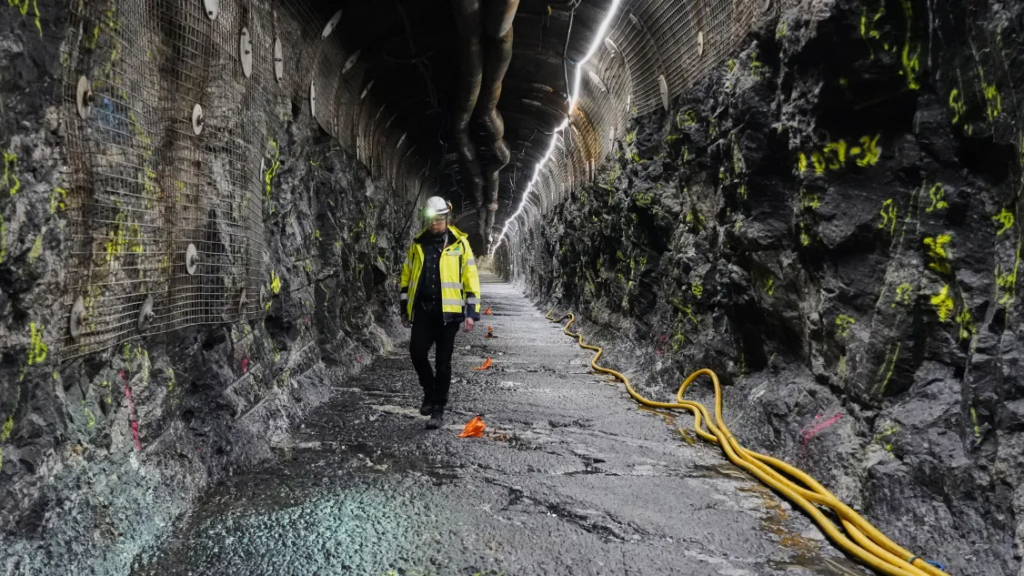
The leading global strategy is the deep geological repository: a hole hundreds of meters underground, sealed in concrete, built to last. Finland built one. The Onkalo facility on Olkiluoto island has tunnels cut 430 meters into 1.9 billion-year-old bedrock.
The facility will accept waste and store it safely for up to 100,000 years. Finland started planning in the 1980s, chose the site in the early 2000s, and began testing operations in 2026. Final approval looks imminent. France and Sweden are also well along in their planning.
The US chose Yucca Mountain in Nevada as its repository site back in 1987. Politics killed it. Federal funding stopped in 2011. Nothing meaningful has happened since. Waste keeps accumulating at reactor sites across the country with no end date in sight for that situation.
New reactor designs make the problem bigger. It was examined how advanced reactors using different fuels and materials produce waste types that current systems cannot handle.
TRISO fuel, for example, embeds uranium in graphite shells that engineers cannot currently separate cost-effectively. The entire assembly gets classified as high-level waste, generating far more physical volume than conventional spent fuel.
Some experts now call for a new dedicated organisation in the US to manage nuclear waste, separate from the Department of Energy, modelled on programs in Finland, Canada, and France. The argument is not anti-nuclear.
The resurgence is real and probably necessary. But the companies building new reactors, and the technology giants buying the electricity those reactors produce, carry responsibility for what happens to the waste. Directing even a small fraction of current investment toward storage infrastructure is an engineering obligation, not a political one.
The best time to start was decades ago. The second-best time is now.