South Africa IT Projects Failing Systemic Crisis
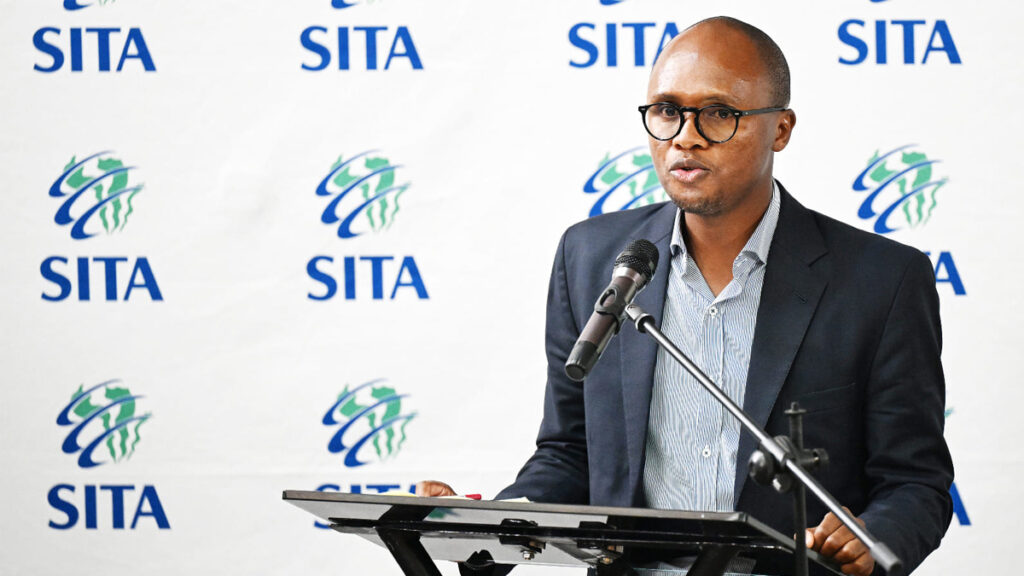
South Africa’s public IT system is not just underperforming. It is now a systemic risk, according to the Auditor-General. This is not a warning. It is a diagnosis.
The Auditor-General of South Africa has flagged the State IT Agency (SITA) as a serious threat to government IT delivery. As a result, the country’s public ICT governance system is slipping into structural decline.
SITA has suffered from leadership instability and procurement failures. Meanwhile, departments continue spending billions on systems that never go live. Worse still, much of South Africa’s digital transformation agenda exists mostly on paper.
Across 72 ICT implementation projects assessed in 44 departments, the AG found widespread failure. In total, 41 projects worth R12.1 billion missed targets for timelines, budgets, quality, or real outcomes.
In addition, SITA operated without a permanent CIO for over three years. It also had no permanent board and no permanent managing director. During the audit period, executive vacancies reached 54%.
Real Projects, Real Consequences

These failures are not theoretical. They show up in major projects with real national impact.
For example, Dirco launched a global wide-area network refresh project in 2021. The project carried a R1.1 billion budget and a 2026 completion deadline. However, a security proposal required before deployment was only approved in April 2025.
That delay lasted 18 months. As a result, expensive IT equipment sat idle.
The AG also raised concerns about the service provider. There were indications of misrepresentation in the bid submission. In fact, the documentation may have been fraudulent.
Leadership turnover is one major driver of failure. When new officials take over, they often scrap existing plans instead of fixing them. Consequently, projects lose momentum and direction.
Oversight also suffers. Departments struggle to track progress consistently. By the time problems are detected, large sums may already be lost.
Skills shortages make the situation worse. South Africa lacks enough digital professionals in the public sector. Skilled IT and cybersecurity workers are difficult to hire. Even when hired, they are hard to retain.
Government pay often cannot compete with the private sector. Therefore, capacity gaps remain.
In some cases, projects launch without proper staff training. In others, departments install new systems on outdated infrastructure. That weak foundation increases failure risk.
The Department of Communications has also admitted its own staffing problems. It reports a 25% vacancy rate, with 86 of 346 posts unfilled. In other words, the agencies meant to fix the crisis are themselves short-staffed.