Trump Vows Heavier Iran Strikes as Tehran Fires Back and Denies Seeking Ceasefire
Quick Reads.
- President Donald Trump delivered his first prime-time address on the Iran war on Wednesday, April 1, declaring that US military objectives are “nearing completion” but warning of intensified strikes over the next two to three weeks.
- Trump threatened to destroy all of Iran’s electric power plants and target its oil infrastructure if Tehran does not agree to a deal within that timeframe.
- Iran fired additional missiles at Israel, Dubai, and Bahrain immediately following the speech, flatly rejecting Trump’s earlier claim that Tehran had requested a ceasefire.
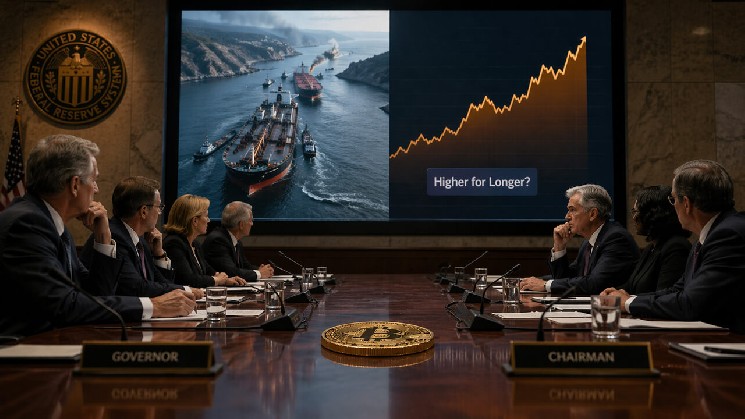
- Oil prices surged past $104 per barrel after the address as markets concluded the war, and the closure of the Strait of Hormuz, would drag on longer than hoped.
- Analysts say the speech offered nothing new, with one expert telling Al Jazeera it amounted to “a summary of all of the tweets he has issued over the last 30 days.”
The US president says the war will end “very shortly” but promises two to three more weeks of heavy bombardment, and Iran responded with missiles before his speech was even over.
In a roughly 20-minute address from the White House on Wednesday evening, US President Donald Trump told the American public that his administration’s campaign against Iran, now in its 33rd day, is on course to wrap up soon. But he paired that assurance with an escalatory threat: if Iran’s leadership does not reach a deal with Washington within the next two to three weeks, the United States will strike the country’s power grid and oil facilities. Iran’s response came before he had even finished speaking. Missiles were intercepted over Dubai, sirens sounded in Bahrain, and Tehran’s Foreign Ministry made clear it has no interest in a ceasefire on Washington’s terms.
A speech long on rhetoric, short on specifics
Trump’s address, delivered on Day 32 of what his administration calls Operation Epic Fury, was the first formal prime-time statement he has made to the nation since the US and Israel began striking Iran on February 28. The president said US forces have achieved “overwhelming victories” and that military objectives would be completed “very shortly.”
He told the nation the US would “hit them extremely hard over the next two to three weeks,” adding: “We’re going to bring them back to the stone ages, where they belong.”
Trump also warned that if no deal is made, the US would “hit each and every one of their electric generating plants very hard, and probably simultaneously,” and said he could target Iran’s oil industry as well.
Despite the tough talk, analysts were unimpressed. Trita Parsi, executive vice president at the Quincy Institute, told Al Jazeera he detected nothing new in the speech, describing it as essentially a chronological replay of Trump’s social media posts over the previous month, and evidence that the president “really does not have a plan.”
Sina Azodi, assistant professor of Middle East Politics at George Washington University, echoed that view, saying he failed to grasp what Trump was trying to convey and that it was “really a repetition of everything that he had said in the past.”
The ceasefire dispute
Earlier on Wednesday, Trump had written on social media that Iran’s leadership had requested a ceasefire, a claim that lit up global news feeds and briefly lifted markets. Tehran moved swiftly to deny it. Iran’s Foreign Ministry spokesperson Esmaeil Baghaei said Tehran would continue to fight back for as long as US-Israeli strikes continued, insisting Iran “will not tolerate this vicious cycle of war, negotiations, ceasefire.”
Iran’s President Masoud Pezeshkian did, separately, signal some openness to ending the war, but only under specific conditions. According to Iranian state media, Pezeshkian told the European Council president that Iran possesses “the necessary will to end this conflict, provided that essential conditions are met, especially the guarantees required to prevent repetition of the aggression.”
Reuters reported, citing a senior Iranian source, that intermediaries contacted Iran on Tuesday about a possible guaranteed ceasefire to end the war permanently. Neither side has confirmed direct negotiations.
Markets rattled, missiles flying
The financial world had rallied earlier in the week on hopes that Trump’s address might signal a quick end to the conflict. Instead, the opposite happened. The price of Brent crude spiked by more than 4% to over $105 per barrel after Trump’s address, while WTI, the US benchmark, climbed more than 3% to above $103 per barrel. The Strait of Hormuz, which carries roughly 20% of the world’s oil supply, has remained effectively shut since the war began, driving a global energy crisis and pushing US gasoline prices above $4 per gallon for the first time since 2022.
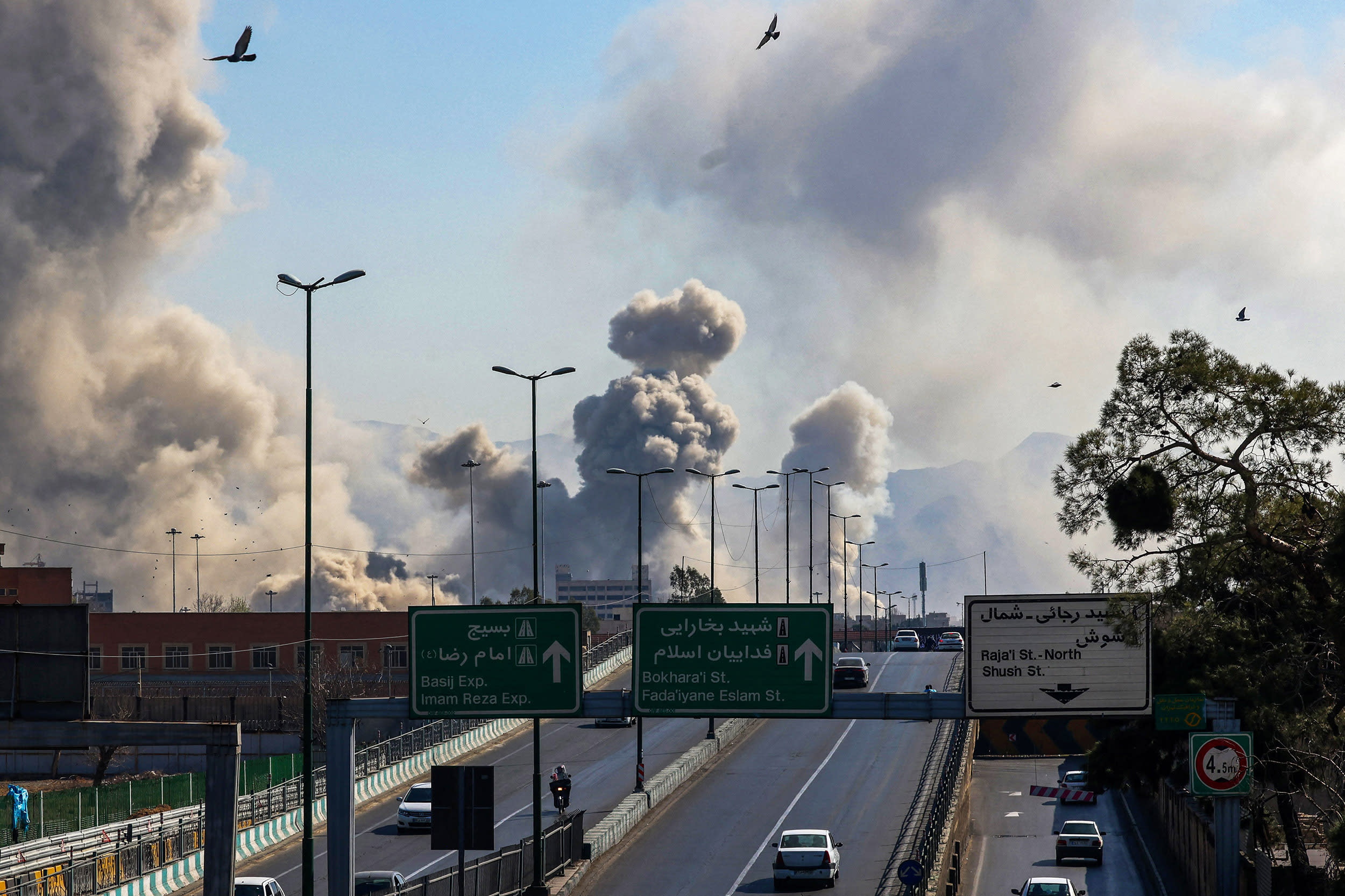
Just before Trump began his address, explosions were heard in Dubai as air defenses worked to intercept an Iranian missile barrage. Less than half an hour after he finished speaking, Israel said its military was also working to intercept incoming missiles, and sirens sounded in Bahrain, home to the US Navy’s 5th Fleet.
Iran’s military, dismissing Trump’s claims that it has been weakened by more than a month of war, said the US and Israel face “lasting regret, and ultimate surrender.”
The Strait of Hormuz question
A critical shift emerged on Wednesday: Trump appeared to step back from earlier demands that the Strait of Hormuz be reopened as a condition of ending the war. He told the nation the strait would open “naturally” once fighting stopped and that gas prices would “rapidly come back down“, a claim markets greeted with immediate skepticism as oil futures climbed.
Trump made clear he could end US operations without resolving Iran’s chokehold on the shipping lane, telling countries that depend on the strait they “must take care of that passage” and “grab it and cherish it.”
Thirty-five countries, including all G7 nations except the United States, signed a declaration demanding Iran stop blocking the strait. Britain’s Foreign Secretary Yvette Cooper led an international virtual summit on Thursday focused on political and diplomatic measures to restore maritime security, though no country appeared willing to open the strait by force while the war continues.
NATO tensions and allied pressure
The war has strained Washington’s relationships across the board. Earlier in the week, Trump said he was strongly considering withdrawing the United States from NATO after alliance members declined to join the campaign against Iran, though he made no mention of that threat during Wednesday’s address.
Australia’s Prime Minister Anthony Albanese, in his own nationally televised address on Thursday, acknowledged that Iran’s military capacity had been degraded but questioned what further objectives remained. “Now those objectives have been realized, it is not clear what more needs to be achieved, or what the endpoint looks like,” he said.