SK Hynix AI Memory Demand Hits Record as Shortage Looms
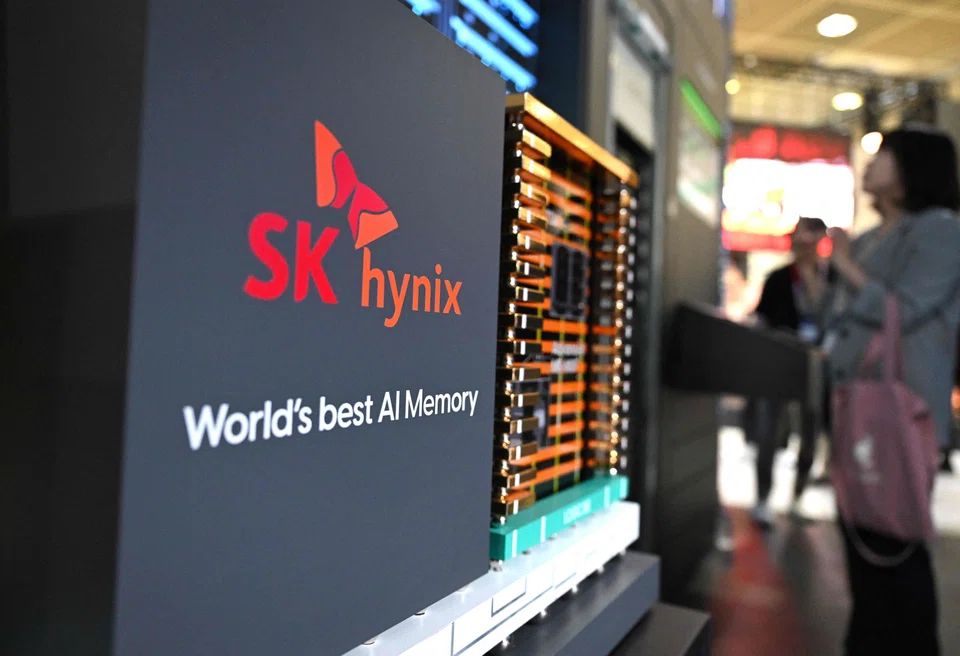
The memory chip market is in the middle of what analysts are calling a supercycle. And at the centre of that supercycle is one South Korean company that is increasingly impossible to ignore.
SK Hynix reported record quarterly revenue of 52.6 trillion won ($35.5 billion), and operating profit of 37.6 trillion won ($27.8 billion), fueled largely by booming HBM sales for AI infrastructure.
The gains are both structural and historic. SK Hynix, a supplier to Nvidia, reported a more than five-fold increase in its first-quarter operating profit, reaching a record high. The strong results were driven by soaring demand for advanced and conventional memory chips, fuelled by the artificial intelligence boom.
SK Hynix expects a favourable pricing environment to continue “for the time being,” as AI-driven demand offsets softer chip demand from personal computer and smartphone manufacturers.
What Is Driving SK Hynix AI Memory Demand
The bottleneck is real and growing. Large technology organisations building AI data centres have created constrained chip supplies, pushing up prices for both high-end and commodity memory chips.
Data from market tracker TrendForce showed contract prices for certain DRAM chips jumped nearly 83% in the first quarter from the prior quarter. Prices for some NAND products soared by around 160% during the same period. Wilson’s Media
SK Hynix’s first-quarter revenue soared nearly 200% year on year. Demand from major customers was increasing across the board, including HBM, DRAM and enterprise solid-state drives, while suppliers struggled to increase output.
In Samsung’s full earnings report released on April 30, 2026, the company’s memory chief warned that “significant shortages” across memory products are expected to continue through at least 2027. In a rare move, customers worried about shortages were already pre-booking memory capacity for 2027.
The warning extends even further ahead. SK Group Chairman Chey Tae-won reportedly stated in March 2026 that the global chip wafer shortage is likely to persist until 2030, as demand for HBM continues to outpace supply and strain manufacturing capacity. He added that expanding wafer capacity could take at least four to five years, with a projected shortfall exceeding 20%.
The Bank of America defines 2026 as a “supercycle similar to the boom of the 1990s,” forecasting global DRAM revenue to surge by 51% and NAND by 45% year-over-year. BofA named SK Hynix as the global memory industry’s “Top Pick.”
Therefore, the SK Hynix AI memory demand story is not just about one exceptional quarter. It is about an industry-wide structural shortage that will shape the economics of AI infrastructure for years, and the company sitting at its centre has never been more dominant or more stretched.