Customers Sue Nike Over Tariff Refunds After Price Hikes
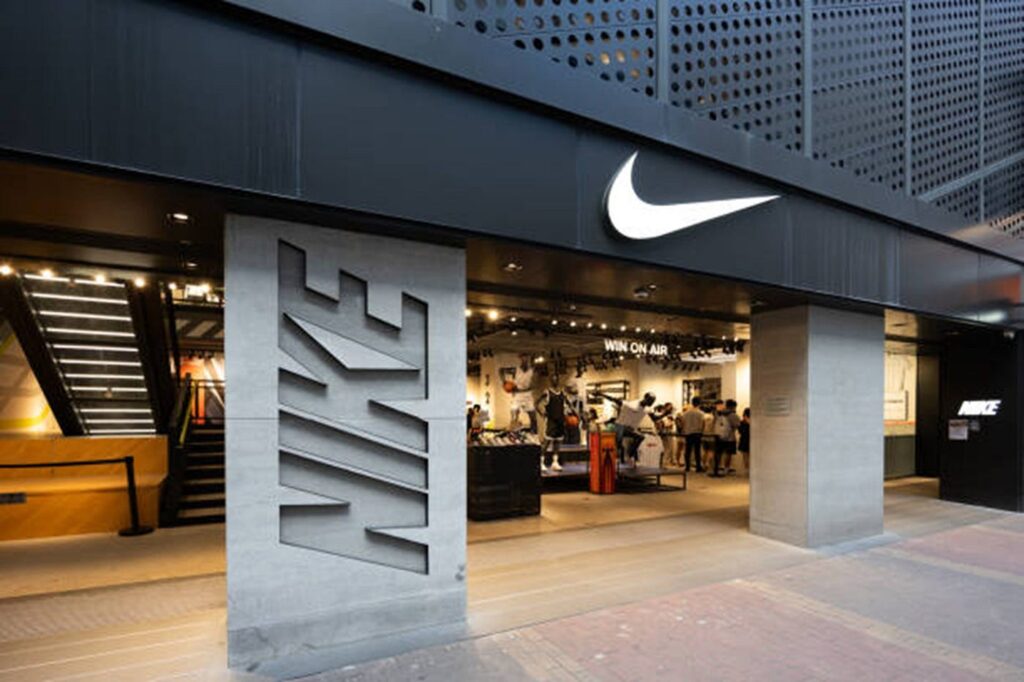
Shoppers are taking Nike to court. A proposed class action lawsuit, first reported by Reuters, accuses the sportswear company of passing tariff costs onto consumers through higher prices, and then pocketing the refunds when those same tariffs were struck down.
The Nike tariff refund lawsuit centers on price increases Nike applied to its products following President Donald Trump’s “Liberation Day” tariff rollout. According to the complaint, Nike raised prices on some shoes by between $5 and $10, and between $2 and $10 on select apparel items, to offset roughly $1 billion in tariff payments the company made on imported goods.
The problem? After the U.S. Supreme Court ruled the tariffs illegal, Nike stands to receive those payments back from the federal government, while customers who footed the bill get nothing.
“Nike has made no legally binding commitment to return tariff-related overcharges to the consumers who actually paid them,” the complaint states. “Unless restrained by this court, Nike stands to recover the same tariff payments twice, once from consumers through higher prices and again from the federal government through tariff refunds.”
Nike declined to comment when reached for a response.
Nike is not the only company caught in the crossfire. FedEx, Costco, and EssilorLuxottica, the maker of Ray-Ban sunglasses, are also facing similar legal action from customers pushing for tariff refunds.
Nike was already flagged last year as one of several major corporations that reported 9- to 10-figure financial headwinds tied to the tariffs. The Nike tariff refund lawsuit now adds legal exposure on top of those financial pressures.
The broader picture from business surveys tells a similar story of disruption. Research found that nearly half of product executives viewed Trump’s tariffs as a long-term policy direction, while 47% of goods product leaders said the measures had been mostly or completely negative for business finances. Some 88% were still anticipating supply chain disruptions well into the cycle.
What makes this lawsuit particularly significant is its timing. With the Supreme Court having invalidated the tariffs, affected companies are now in line for government refunds, and consumers are watching closely to see whether that money finds its way back to them, or quietly disappears into corporate balance sheets.