Intel Apple Chip Deal Sends Stock Soaring 15% in One Session
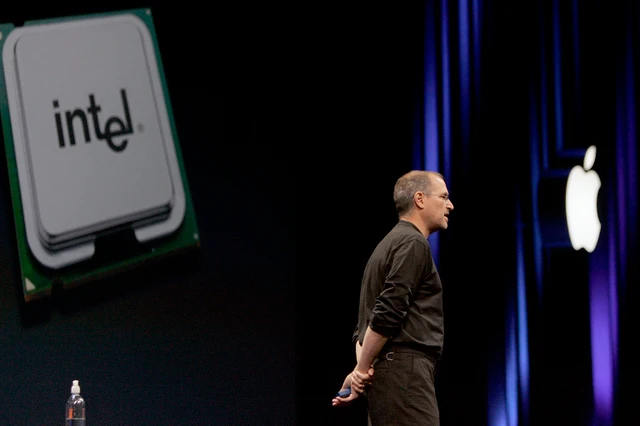
Intel has been rebuilding its foundry for years. On Friday, one of the world’s most important technology companies signalled it is ready to trust Intel with its chips.
Apple and Intel have reached a chip deal after a year of negotiations, the Wall Street Journal reported on Friday. Intel will work with Apple to manufacture chips for some of the iPhone maker’s devices, though it was not specified which devices would use Intel chips.
The node selection has been identified. Apple is expected to use an enhanced version of Intel 18A called Intel 18A-P. According to Intel, 18A-P can provide 9% higher performance than the standard version of the node using the same amount of power. clear whether Intel’s new preliminary contract with Apple includes a funding component.
If it comes to fruition, the deal would be the most notable vote of confidence yet for Intel’s once-struggling chip foundry business. Intel shares are up more than 200% this year.
For Apple, the logic is equally clear. The iPhone maker currently relies solely on Taiwan Semiconductor Manufacturing Co. to make all the most advanced chips for its devices. But TSMC’s wafer capacity can only go so far, amid soaring demand for AI chips. “Intel is the only place that can scale up capacity as a viable second source,” said tech analyst Tim Bajarin.
As a result, the Intel Apple chip deal market reaction was immediate. Intel stock soared about 15% on the news, putting it on track for its fourth straight record high. The news lifted shares of other semiconductor names as well. Shares of TSMC fell 1.5% on the news.
What the Intel Foundry Turnaround Story Actually Looks Like
Intel has sold a new customer on its domestic foundry push, the latest lifeline for a venture that engineered massive losses and led many industry analysts to believe it would be abandoned or spun off.
In addition, government backing strengthened the case. The US government took out a 9.9% stake in Intel for $8.9 billion, which saw co-investment from Nvidia in the form of a $5 billion equity investment. That lit the match that kick-started the latest leg up in Intel.
However, significant risks remain. Intel’s foundry segment posted a $2.437 billion operating loss in Q1 2026. The stock has moved ahead of disclosed economics, and analysts have flagged that any setback in talks with Apple could feed quickly into volatility.
The Intel Apple chip deal is a pivotal moment for a company that has spent years proving it deserves a second chance. Whether Apple’s silicon eventually carries an Intel logo depends on execution, yield rates, and timing. However, on May 8, 2026, the market voted with conviction that the chance is real.