Googlebook Gemini AI Laptop Kills Chromebook After 15 Years
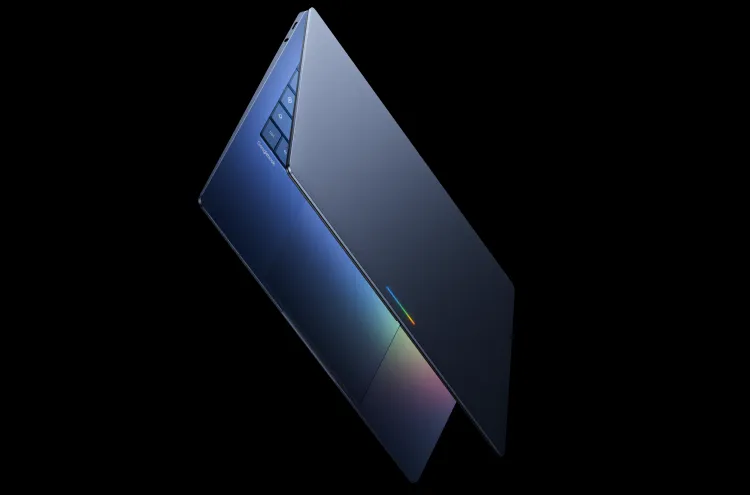
Google has spent 15 years building affordable laptops for schools and budget buyers. However, the company now says the Chromebook era is over. The Googlebook is what comes next.
Google is introducing Googlebook as a new category of laptops designed for Gemini Intelligence and built to work seamlessly with Android devices. Google says Google Books is the first laptop built from the ground up for Gemini, offering personal and proactive help whenever users need it.
The launch signals more than a new product line. It represents a major architectural shift. Googlebook runs on what Google reportedly calls Aluminium OS, a rebuilt version of Android 17 redesigned as a full desktop platform. It includes a custom window manager, native multitasking, and Gemini integrated into everyday interactions. More importantly, Google is not simply slowing ChromeOS development. Instead, the company is replacing ChromeOS entirely.
Google is also moving quickly with hardware support. Five major laptop partners have already signed on, including Acer, Asus, Dell, HP, and Lenovo. As a result, Google appears ready to push beyond the education market and compete directly in mainstream consumer laptops.
Google Books’ most eye-catching feature is called Magic Pointer, which Google reportedly built with the DeepMind team. It turns the cursor into a context-aware AI agent. For example, when users hover over a date in an email, Gemini can instantly suggest scheduling a meeting. Similarly, pointing at two images can trigger an automatic composite. Selecting a paragraph can also prompt Gemini to summarise, translate, or rewrite text.
Unlike typical AI tools, Magic Pointer does not behave like a chatbot. Instead, it reads the context of whatever the cursor touches and surfaces useful actions before the user asks. In addition, Google is introducing a Create your Widget feature that allows users to build custom widgets by prompting Gemini. Gemini can also pull information from the web and connect with Gmail and Calendar to create a personalised dashboard.
Google’s timing is strategic. Apple recently debuted its lower-cost MacBook Neo, while Microsoft has struggled to define the Copilot+ PC as a clear breakthrough. Because of this, Google now sees an opening in the premium laptop space, which Windows and macOS currently dominate.
Google executive Sameer Samat explained the company’s reasoning clearly: “There is an opportunity to bring more innovation back to laptops, especially at the higher end. Google has a chance to build AI into the laptop in a different way that no one else has really hit on.â€
Meanwhile, Google insists it will not abandon Chromebook users. Samat confirmed that Chromebooks still account for more than 60% of the US education market, and he said the company will share more details on how existing users can transition closer to launch.
Ultimately, Googlebook is not just a Chromebook replacement. Instead, it represents Google’s strongest push yet to rebuild the personal computer around AI at the operating system level, rather than simply adding Gemini as an extra feature.