Encrypted RCS Texts Now Work Between Android and iPhone
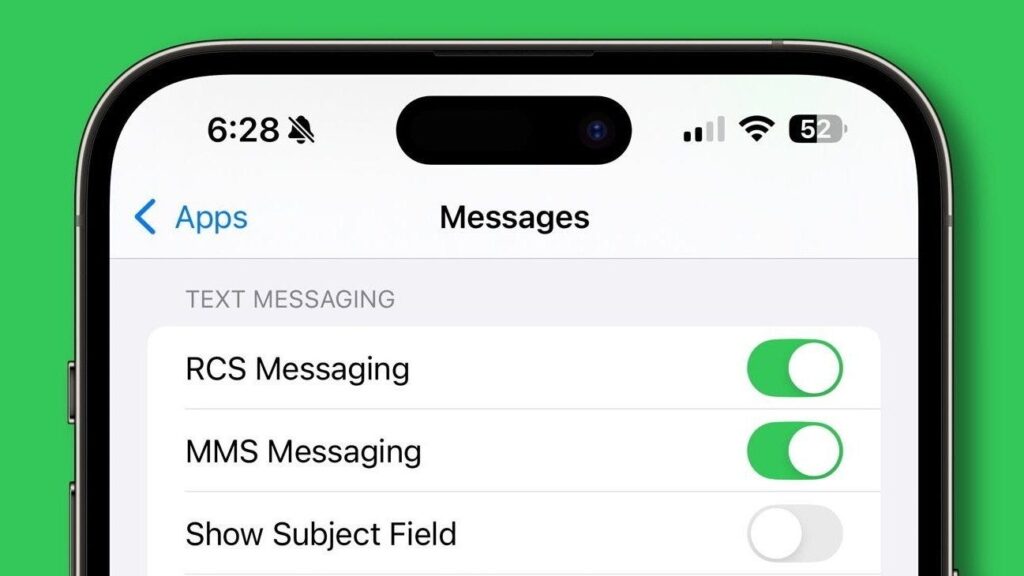
Your texts just got a lot more private. Apple and Google have launched end-to-end encrypted RCS messaging between iPhone and Android devices. The feature rolled out in beta with iOS 26.5. It marks a historic moment in cross-platform mobile communication.
The Long Road to Encrypted Cross-Platform Texts
For years, iPhone and Android users could not securely text each other natively. Apple refused to support RCS, the modern upgrade to SMS, until 2023. It finally did so under regulatory pressure. However, that early support lacked encryption. Google had pushed Apple toward RCS for years. The green bubble stigma problem drove real frustration. Group chats broke. Media quality suffered. Meanwhile, iMessage users remained inside Apple’s encrypted world. Android users stayed outside it.
The new feature builds on the GSMA’s RCS Universal Profile 3.0. Both companies led a cross-industry effort to implement it. The encryption uses the Messaging Layer Security protocol. As a result, messages between iOS and Android users cannot be read by anyone in transit. Apple’s newsroom confirmed that encryption is on by default. iPhone users running iOS 26.5 will see a lock icon in RCS chats. Android users see the same lock icon they already see in encrypted chats. Meanwhile, iOS shows “Text Message · RCS | Encrypted” at the top of those conversations. Users on iPhones not yet running iOS 26.5 will not get the encryption yet. However, it will automatically enable over time for new and existing RCS conversations.
The upgrade includes more than encryption. RCS Universal Profile 3.0 also adds message editing, message deletion, cross-platform Tapback reactions, and inline replies. Therefore, Android and iPhone users now share a far richer messaging experience. iMessage still remains Apple’s preferred standard between Apple devices. However, for the billions of cross-platform conversations happening daily, this update brings long-overdue parity. The carriers must also support the standard for it to work. That list of supported carriers is expected to grow steadily in the months ahead.