Artemis III Earth Orbit Test Confirmed, Moon Landing Now 2028
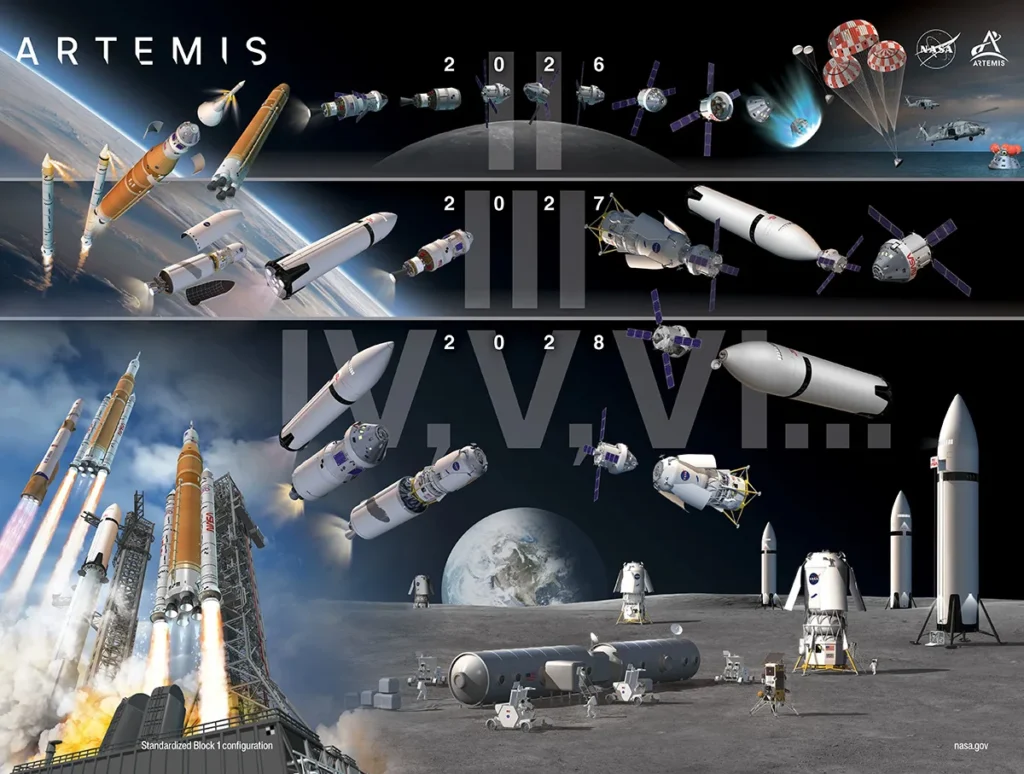
NASA once promised that Artemis III would return astronauts to the Moon. That plan has now changed. Instead of landing, Artemis III will test critical hardware in Earth orbit. NASA has moved the first crewed Moon landing to Artemis IV in 2028.
On February 27, 2026, NASA administrator Jared Isaacman confirmed the updated plan. Artemis III will now conduct Earth-orbit tests with one or both Human Landing System (HLS) vehicles. NASA has also tentatively designated Artemis IV as the first crewed lunar landing mission of the Artemis program, targeting 2028.
NASA has begun to clarify Artemis III’s orbit profile. By May 2026, officials revealed that the mission will fly into a 460km low Earth orbit.
However, NASA still faces key open decisions. As of April 2026, the agency had not confirmed whether Orion will dock with one or both HLS vehicles. NASA will base that decision partly on the development progress and launch cadence of its commercial partners.
NASA is now moving quickly to define next year’s Artemis III mission. The crewed flight will test rendezvous and docking between the Orion spacecraft and commercial landers from Blue Origin and SpaceX.
The mission also carries broader testing goals. NASA plans to evaluate lander propulsion, life support, and communications systems. The agency also wants to test the new AxEMU spacesuits designed for lunar surface operations.
Still, the spacesuit testing timeline remains uncertain. “We’ve provided the agency with several options†for testing the suit on Artemis III, said Russell Ralston of Axiom Space. “It would certainly be a valuable exercise, but we just don’t have the specifics at this time.â€
What does the Artemis III Earth Orbit Shift mean for NASA?
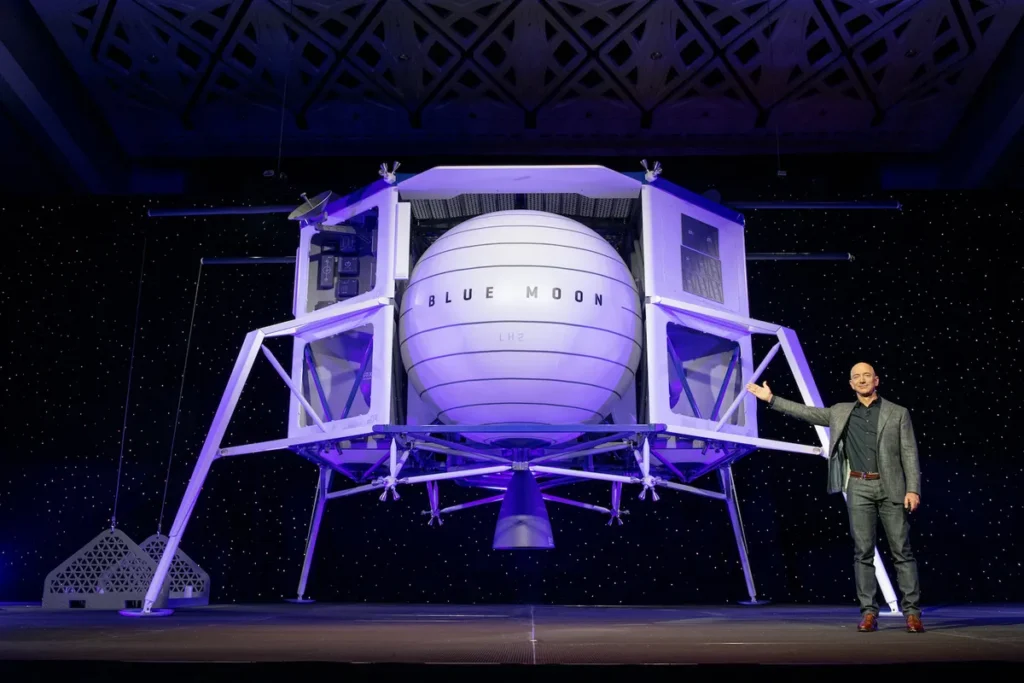
NASA officials insist the new Artemis III plan remains critical. “While this is a mission to Earth orbit, it is an important stepping stone to successfully landing on the Moon with Artemis IV,†said Jeremy Parsons, acting assistant deputy administrator at NASA’s Exploration Systems Development Mission Directorate. “For the first time, NASA will coordinate a launch campaign involving multiple spacecraft.â€
Meanwhile, NASA continues to push hardware development forward. At Kennedy Space Centre, teams have already moved the SLS core stage for Artemis III into the Vehicle Assembly Building. Booster segments are also arriving steadily.
However, NASA still faces a major scheduling risk. If Artemis III slips into late 2027, the delay could trigger cascading effects across the Artemis timeline. That scenario would make NASA’s goal of conducting two crewed lunar landings in 2028 much harder to achieve.
Artemis III may no longer deliver a Moon landing, but it could determine whether Artemis IV succeeds. The mission now represents both a practical step forward and a clear reminder that NASA’s lunar ambitions still depend heavily on commercial readiness and schedule discipline.