Dell Killed the XPS Name, Then Brought It Back.
Quick Reads
- The Dell XPS 16 (2026) starts at $1,749 and brings back the XPS branding after Dell briefly replaced it with the unloved “Dell 16 Premium” name last year
- The redesigned aluminium chassis is nearly a full pound lighter than its predecessor and runs Intel Core Ultra Series 3 Panther Lake processors.
- All three USB-C ports are Thunderbolt 4, there is an upgraded 8MP webcam, and battery life is significantly improved over the previous generation
- The main criticisms are limited ports with no SD card slot, a keyboard that divides opinion, and the absence of discrete graphics options
Last year, Dell made a decision that confused everyone: it quietly retired the XPS brand and renamed its flagship laptop line the “Dell 16 Premium.” The hardware was still good. But nobody wanted a laptop called the Dell 16 Premium. Engadget put it bluntly: Dell did its customers dirty, then had the good sense to admit it and reverse course. For 2026, the XPS name is back. The logo is back on the lid. And the laptop itself is, by most accounts, the best version the company has ever shipped.
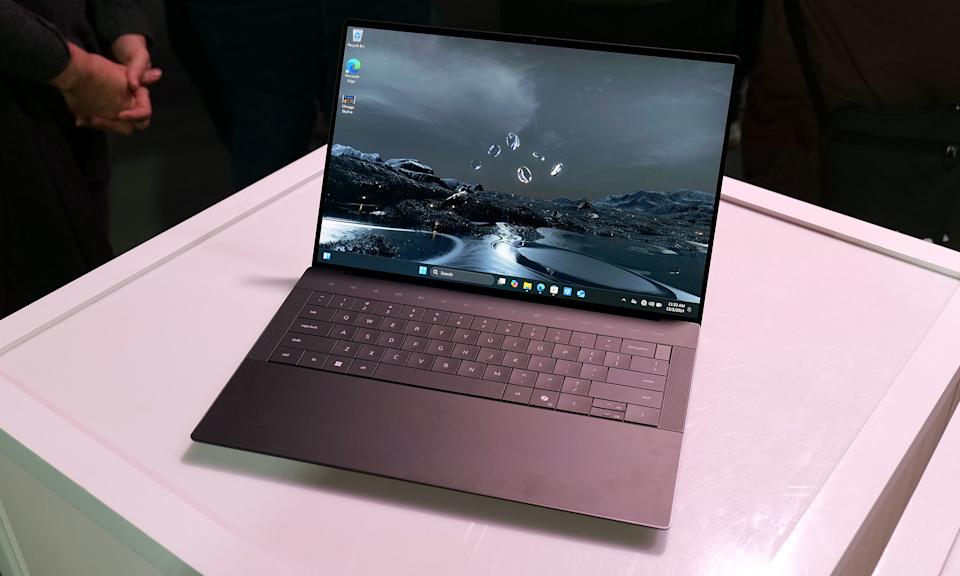
The Dell XPS 16 was reviewed in April 2026, describing it as a return to form following the brand revival. The machine is now built from CNC-machined 6000-series aluminium, giving it a premium feel that Tom’s Guide described as MacBook Pro-adjacent in both look and approach, a comparison Dell has clearly leaned into. At 3.6 pounds, it is nearly a full pound lighter than the previous generation, partly because Dell dropped discrete graphics this time around to enable the slimmer, cooler-running design.
The optional display is the standout component. The 3.2K tandem OLED panel runs at up to 120Hz with variable refresh between 20Hz and 120Hz, produces genuinely vibrant colour with 1800:1 contrast, and includes touchscreen support. A reviewer called it their favourite laptop of 2026. XDA-Developers noted the OLED is fantastic, though not quite the absolute brightness leader compared to some competing OLED panels tested.
Performance from the Intel Core Ultra Panther Lake processors is competitive with most of what is on the market. The benchmarks showed the XPS 16 beating most rivals in raw processing, though Apple’s M5 MacBook Air edges it out. The Panther Lake move has also meaningfully improved battery life, with reviewers consistently reporting full-day runtime under moderate use.
The criticisms are real but narrow. Dell dropped the SD card slot, which will frustrate photographers and video editors who are often the primary audience for a 16-inch machine at this price. The port situation is three Thunderbolt 4 USB-C ports and a headphone jack, nothing else, so a dongle becomes part of the daily carry. The zero-lattice keyboard remains polarising, with some reviewers loving the low-profile feel and others wishing for more key travel. Early units also shipped with a keyboard ghosting issue, though Dell says units currently on sale have the fix applied.
Starting at $1,749 and reaching $2,350 for the OLED touchscreen configuration with a Core Ultra X7, the Dell XPS 16 2026 is priced like a premium machine and performs like one. The brand drama is over. The laptop was delivered.