YouTube’s FIFA Deal Could Redefine Live Sports
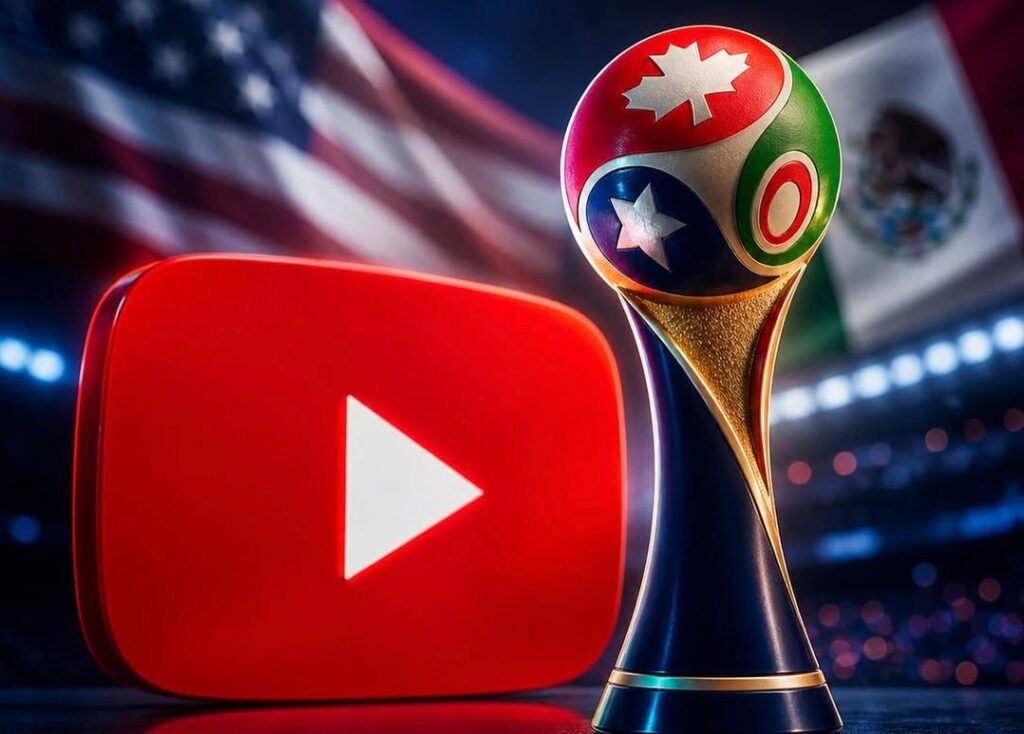
Something shifted in sports media this week. YouTube and FIFA have officially joined forces, and the biggest football tournament in history will never look the same again.
YouTube has reached an agreement with FIFA to broadcast World Cup matches live on its platform. The deal represents a significant shift in the sports media landscape, as digital platforms continue to compete with traditional broadcasters for rights to major global events.
However, this is not a full takeover of broadcasting rights. The deal, officially announced in March 2026, makes YouTube a “Preferred Platform” for the World Cup. At the core of the agreement is a hybrid broadcasting model that combines traditional TV rights with digital expansion. Existing rights holders retain full match broadcasting rights but can now use YouTube as an additional distribution channel.
The YouTube FIFA World Cup streaming deal is built on flexibility, not exclusivity. In certain regions like Brazil, matches may be streamed entirely for free on YouTube via channels like CazéTV.
How It Works Across Different Regions
For most markets, access is partial but meaningful. YouTube and FIFA are allowing select rights holders, through approved YouTube channels, to stream the first 10 minutes of games and some full matches for free. That is a concrete entry point for billions of viewers who lack cable or satellite access.
One of the key advantages of streaming World Cup matches on YouTube is accessibility. The platform’s global reach allows millions of viewers to watch games without relying on traditional cable or satellite services.
In addition, YouTube TV in the United States remains a reliable path to full coverage. YouTube TV has a Sports plan for $64.99 per month with access to FS1, NBC Sports Network, and all ESPN networks.
The commercial logic is undeniable. Live sports attract large audiences, making them attractive for advertisers. YouTube’s platform allows for targeted advertising, potentially increasing revenue opportunities significantly.
The 2026 tournament adds extra weight to this shift. The 2026 FIFA World Cup is the first to feature 48 teams and to be co-hosted by three countries: the United States, Canada, and Mexico. More matches mean more streaming opportunities. Therefore, the YouTube FIFA World Cup streaming deal is not just a rights agreement. It signals where sports broadcasting is heading, and the biggest tournament in the world just made that undeniable.