Why Offline-First Developer Tools Are Making Developers Rethink Cloud Sync
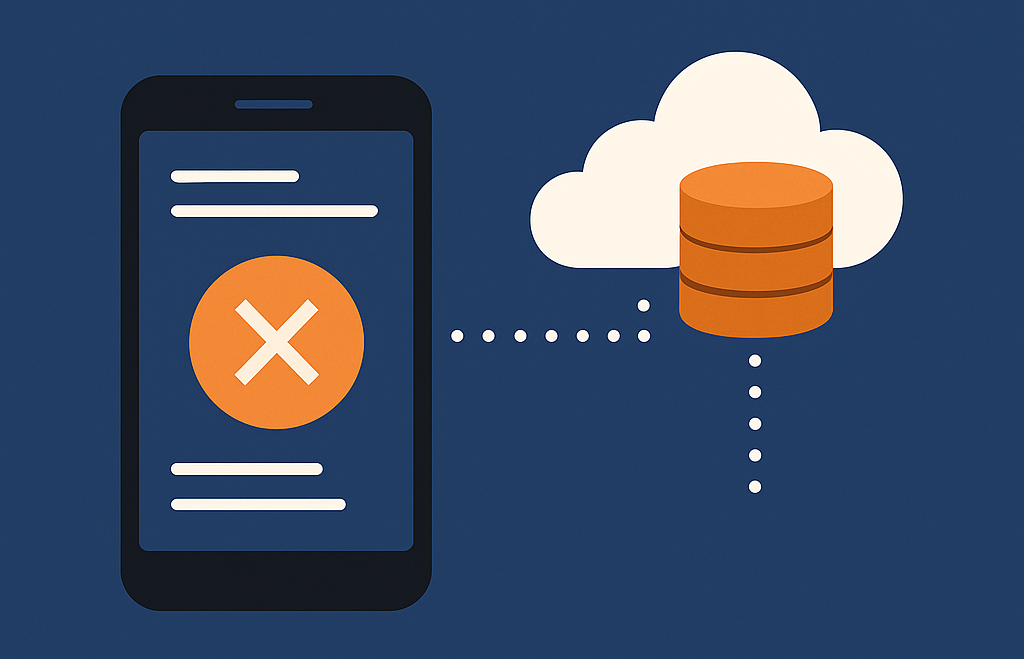
A developer and terminal tools builder is challenging cloud-first workflows, arguing that offline-first developer tools deliver real advantages in speed, privacy, and long-term reliability.
Writing on DEV Community, developer phlx0 opens with a scenario many will recognise: open a new app, create an account, verify an email, choose a plan, grant permissions, and only then can you take a note. That friction, they argue, is the industry’s default in 2026, and yet most developers simply accept it without pushback.
The case for offline-first developer tools rests on four pillars, and the first is performance. A SQLite query on a local database completes in microseconds. By contrast, the same read from a cloud API costs a minimum of 50–300ms, plus TLS handshake overhead and whatever a poor connection adds that day. For tools developers touch dozens of times daily, snippet managers, task trackers, config stores, that latency compounds quickly and visibly.
Closely tied to performance is reliability. Cloud services go down, get acquired, or shut down entirely. Evernote nearly collapsed. Microsoft killed Wunderlist. Notion has suffered serious outages. As a result, storing data on someone else’s server means betting that the company behind it will always exist and stay well-run. The author calls that a bad bet to make with critical data.
Even so, the privacy argument may cut deepest of all. Developers store sensitive material in everyday tools, API keys in notes, internal hostnames in snippets, proprietary code in editors. Consequently, routing all of that through a third-party cloud creates risk that goes unexamined until a breach makes it impossible to ignore. Offline-first developer tools remove that exposure at the source.
Beyond privacy, there is also the question of portability. Despite the common assumption that cloud sync means easier access, cloud tools often lock data in proprietary formats behind APIs that can vanish without warning. Open formats like Markdown, SQLite, and JSON, on the other hand, need no permission to grep, script, version-control, or move freely between machines.
On the often-raised objection of syncing across devices, the author’s answer is direct: git already solves this. Simply track a data directory in a private repo, push to GitHub, or any remote, and pull on other machines. In doing so, users get full history, diffs, and conflict resolution with no third party involved. The author’s own project, snip v0.7.0, runs on exactly this model, snippets stored as Markdown files with frontmatter, tracked in git, with a SQLite index rebuilt from files on startup.
That said, the piece is honest about the costs. Offline-first developer tools place git setup, conflict handling, and backups squarely on the user. Meanwhile, real-time collaboration still needs a server, and mobile access without extra tooling remains awkward. Nevertheless, for developers already living inside git and working solo or async, the author argues these tradeoffs are not just acceptable, they are manageable in a single afternoon.
The full post, including a practical checklist for anyone building local-first tools, is available on DEV Community. The author’s broader work can be found on GitHub.