The Version of Alien 3 David Fincher Refused to Make Is Now on HBO Max
Quick Reads
- Alien 3: The Assembly Cut, a 31-minute-longer extended version of the controversial 1992 sci-fi film, has quietly arrived on HBO Max.
- The cut was originally compiled by Fox in 2003 after director David Fincher refused to participate in a director’s cut for home video release.
- This version restores deleted scenes, fills plot holes, and makes key changes to the story including a different origin scene for the Xenomorph.
- Fincher does not claim the Assembly Cut, but fans have long considered it a significantly richer watch than the theatrical release.
- Two other franchise extended editions — Aliens: Director’s Cut and Alien Resurrection: Special Editionm, have also been added to HBO Max alongside it.
The fan-preferred extended cut of one of sci-fi cinema’s most troubled productions has landed on HBO Max without much fanfare and for anyone who has only ever seen the theatrical version, this is the one worth watching.
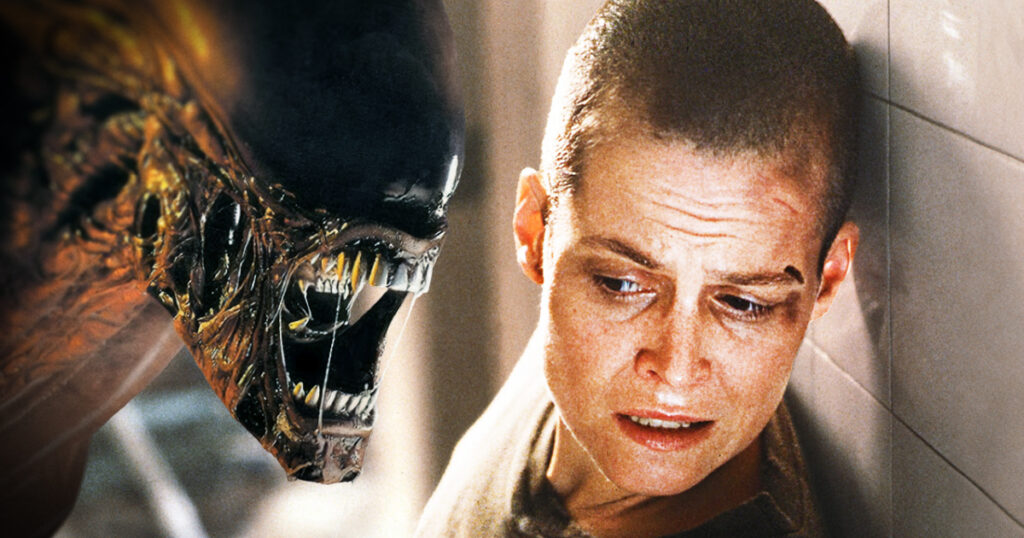
Alien 3: The Assembly Cut arrived on the streaming platform this week, giving subscribers access to a 2-hour-25-minute version of the 1992 Sigourney Weaver film that runs a full half-hour longer than the cut that hit cinemas. Both The Hollywood Reporter and Screen Rant confirmed the addition.
The story behind this edit is almost as interesting as the film itself. When Fox went looking for a director’s cut of Alien 3 for a home video release, David Fincher, whose feature debut the film was flatly declined to revisit a production he has described as one of the most painful experiences of his career. The studio, rather than shelving the idea, assembled their own extended version using unused footage and Fincher’s original editing notes. That cut first appeared on the 2003 Alien Quadrilogy DVD box set, overseen by producer Charles de Lauzirika, and later received proper colour correction and sound mixing for the 2010 Blu-ray release.
What the Assembly Cut actually changes matters. The Xenomorph bursts out of an ox in this version, not a dog as in the theatrical release ScreenRant a distinction that carries real tonal weight given how the film builds its mythology. Ripley and the inmates actually succeed in trapping the alien in a toxic waste room, until one prisoner deliberately sets it free, a plot thread that was cut from cinemas The Hollywood Reporter, leaving the theatrical version feeling incomplete.
Several character arcs, particularly those of Dillon and the obsessive prisoner Golic, are fleshed out considerably. And perhaps most significantly, the chest-burster sequence added during reshoots for Ripley’s final sacrifice, a widely criticised late addition has been removed entirely, giving her death more dignity. The movie takes more time building dread and fleshing out the characters and their world, and Ripley’s death has greater power. Den of Geek
The broader context here is that Alien 3 arrived under impossible conditions. Fincher clashed with Fox throughout production over a script that passed through multiple writers, and the film earned mixed reviews upon release, scoring 44% from critics and 46% from audiences on Rotten Tomatoes. Collider Despite that, it grossed $159 million globally against a $50 million budget and never truly derailed the franchise which continues to this day.
What it did do was leave a lingering conversation about what the film could have been. Fincher himself has admitted being too scarred by the experience to ever want to revisit the film World of Reel, meaning the Assembly Cut remains the closest audiences will ever get to his original intentions even if he refuses to endorse it.