Meta’s Bet on Humanoid Robots Gets Serious With Its Latest Acquisition
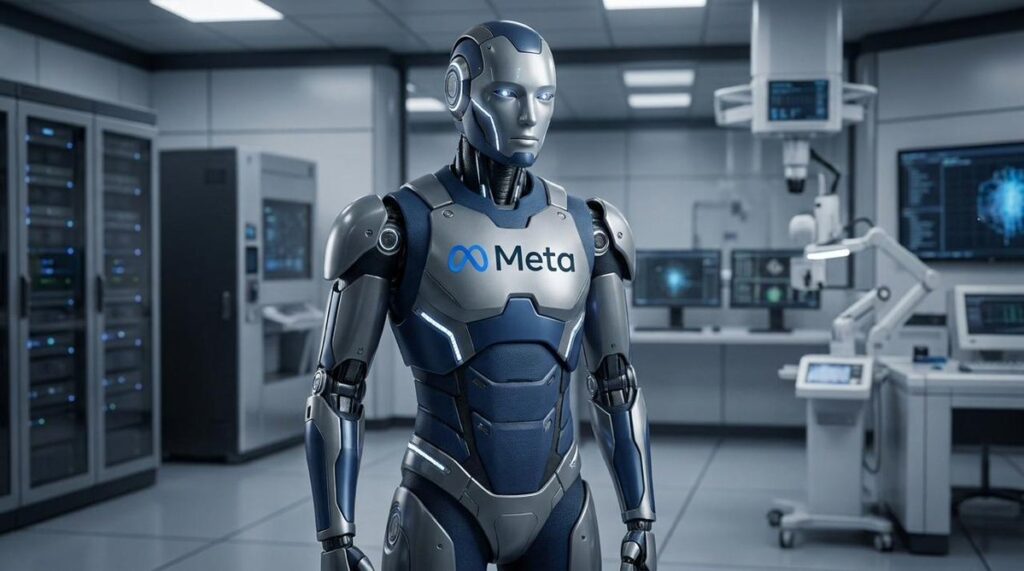
Meta has made its boldest move yet in the race to build intelligent machines. The social media giant has acquired Assured Robot Intelligence (ARI), a humanoid robotics startup developing foundation models that allow robots to understand, predict, and adapt to human behaviour in complex environments, a move that signals how serious the Meta humanoid robotics acquisition strategy has become.
ARI’s co-founders, Xiaolong Wang and Lerrel Pinto, along with their entire team, will join Meta’s Superintelligence Labs research division. Wang is a former Nvidia researcher and ex-associate professor at UC San Diego, while Pinto previously taught at NYU and co-founded Fauna Robotics, a kid-size humanoid startup that Amazon snapped up just last month. Both founders bring award-winning research credentials and deep expertise in robot control and physical learning.
Meta confirmed the deal in a statement to TechCrunch, saying the acquired team will help design models and “frontier capabilities for robot control and self-learning to whole-body humanoid control.” The financial terms were not disclosed. ARI had previously raised an undisclosed seed round from AI-focused seed firm AIX Ventures.
This isn’t a sudden pivot. Meta’s researchers have been exploring humanoid robotics for years, and a leaked internal memo from early 2025 revealed the company’s ambitions to build AI models and hardware for consumer humanoid robots. The Meta humanoid robotics acquisition of ARI is a direct acceleration of those plans.
Beyond product ambitions, there is a deeper AI philosophy at play. Many experts now believe the path to artificial general intelligence, the point where AI matches or surpasses human-level capability across every domain will require training models in the real, physical world through direct interaction, not just from data. Robots, in that sense, aren’t just products. They are research tools for the next frontier of intelligence.
The broader industry is taking note. Goldman Sachs projects the global humanoid robot market could reach $38 billion by 2035, while Morgan Stanley puts a far more ambitious figure of $5 trillion by 2050 on the table. The gap between those two numbers tells you everything, this is a technology still finding its footing, but one that giants like Meta are already betting heavily on.