Medicare’s ACCESS Program Is Quietly Becoming the Biggest Opening for AI in Healthcare

A quiet but potentially transformative shift is happening inside the U.S. federal healthcare system, and most of the tech world has completely missed it. The Centers for Medicare & Medicaid Services has launched a 10-year program called ACCESS- Advancing Chronic Care with Effective, Scalable Solutions and it may be the most significant opening for AI in American healthcare that has ever existed.
The Medicare ACCESS program AI healthcare play is straightforward but unprecedented: for the first time, there is a federal payment mechanism that can reimburse AI agents for the work they do between clinical visits. Monitoring patients, checking in by phone, coordinating housing referrals, ensuring medications are picked up, none of that was payable under traditional Medicare. ACCESS changes the rules entirely.
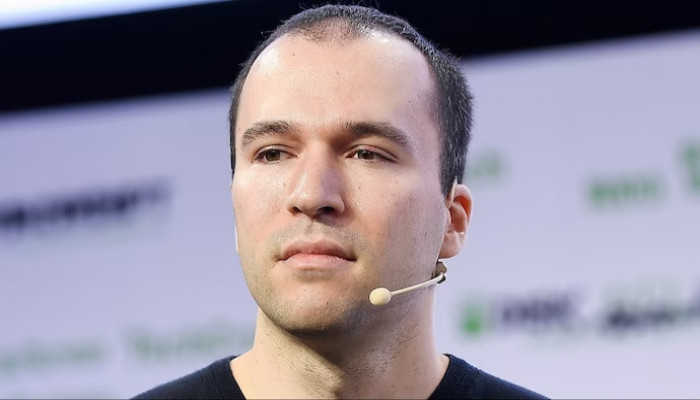
One of the 150 organizations accepted into the program is Pair Team, a San Francisco-based health company that has spent seven years building care models for patients managing chronic illness alongside poverty, housing instability, and food insecurity. Its CEO Neil Batlivala put it plainly: “The government is creating swim lanes for AI innovation in traditionally regulated industries. The best solution wins — which, in regulated industries like healthcare, that’s not been the case.”
ACCESS rewards health outcomes rather than clinical activity. Participating organizations receive predictable monthly payments for managing conditions like diabetes, hypertension, chronic kidney disease, obesity, depression, and anxiety but they only earn the full amount when patients hit measurable health targets. That flips the entire incentive structure of Medicare reimbursement on its head.
Pair Team, backed by Kleiner Perkins, Kraft Ventures, and Next Ventures, now employs roughly 850 clinical professionals and runs what it describes as the largest community health workforce in California. About nine months ago, it deployed a voice AI agent named Flora as its primary patient-facing tool. Flora operates around the clock, conducting intake, coordinating referrals, and running the check-ins that keep patients engaged. In one case, a 67-year-old woman living out of her car spoke with Flora for over an hour about her PTSD and congestive heart failure. “Flora was probably the only ‘person’ she’d talked to in weeks about her situation,” Batlivala said.
Research published in the Journal of General Internal Medicine supports the model, showing Pair Team’s community-integrated care approach produced strong patient engagement and significant reductions in avoidable emergency and inpatient visits. The company claims one in four hospital visits and one in two ER visits do not occur when a patient is enrolled in its care.
The program goes live on July 5, and it was architected by two former startup operators, Abe Sutton, Director of the CMS Innovation Center and former healthcare venture capitalist, and Jacob Shiff, its Chief AI and Technology Officer and a former healthcare founder. Their backgrounds are written all over ACCESS: outcome-based payments, direct-to-consumer enrollment, and a deliberate competitive structure.
Still, the risks are real. Patients in this program are among the most vulnerable in the country, and their data conversations about housing, mental illness, and disease flows into federal infrastructure with a documented history of data breaches. Financially, a 2023 Congressional Budget Office analysis found the CMS Innovation Center actually increased federal spending by $5.4 billion over its first decade rather than generating savings. And reimbursement rates are reportedly lower than many participants expected.
Batlivala sees that last point as intentional design. “If you want to build a model that truly incentivizes the use of AI, the reimbursement rates have to be low,” he said. “The economics only work if you’re running a lean, AI-first operation.” Pair Team says it currently has access to around 500,000 potential patients and is targeting one million within three years.
Digital health investment is surging, Q1 2026 hit its highest funding total since the pandemic, with AI companies capturing the bulk of it. Yet the Medicare ACCESS program AI healthcare shift has barely registered outside specialized health tech media. That may not last much longer.