The Elon Musk vs Sam Altman Trial Could End OpenAI as We Know It
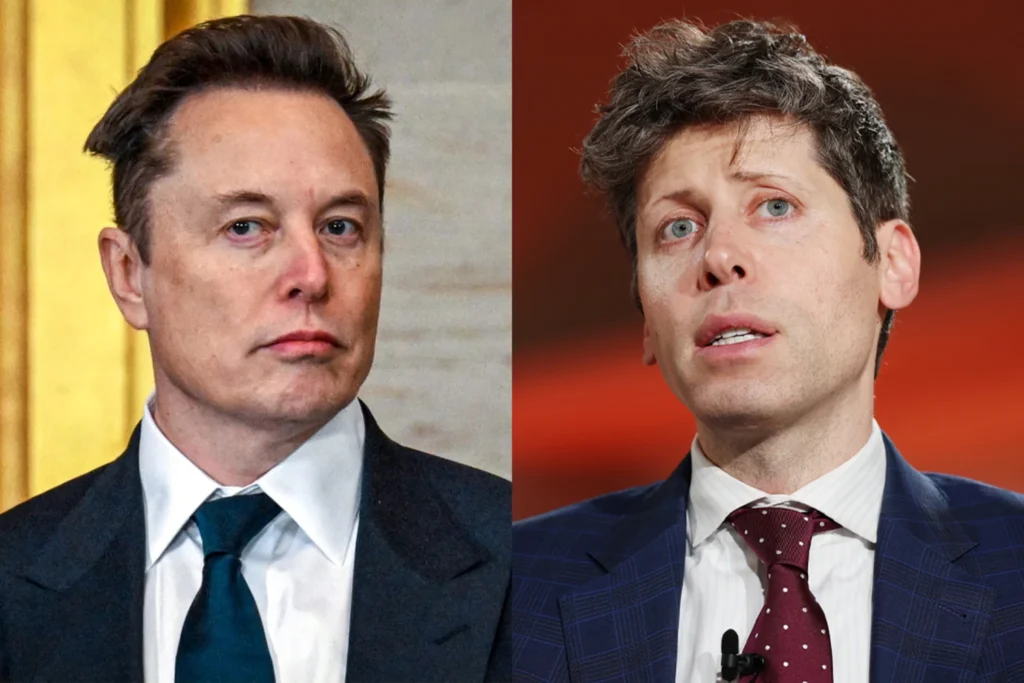
Nine California jurors are now deliberating what could be the most consequential tech court case of the year. The Elon Musk vs Sam Altman trial, which also names Microsoft and OpenAI cofounder Greg Brockman as defendants, has the potential to unravel OpenAI’s entire for-profit structure if the verdict goes Musk’s way.
The trial has covered a sweeping range of events, from the founders’ split in 2018 to Altman’s dramatic firing and rehiring in 2023, but the jury itself will rule on a much narrower set of questions. At the heart of the Elon Musk vs Sam Altman trial are three core claims: breach of charitable trust, unjust enrichment, and whether Microsoft aided and abetted those alleged violations.
Musk’s legal team argues that he donated money to OpenAI specifically to advance AI safety as a public good, not to enrich private investors. They point to Microsoft’s $10 billion investment into OpenAI’s for-profit affiliate in 2023 as the moment that betrayed his original intent, saying it diverted the lab away from its charitable mission and toward commercial gain. OpenAI’s defense, however, counters that no donor, including Musk’s own financial adviser and chief of staff, has ever described specific restrictions attached to his contributions. A forensic accountant hired by OpenAI testified that all of Musk’s donations had already been spent by the foundation well before the lawsuit’s key legal deadline.
On the question of unjust enrichment, Musk’s attorneys highlight the multibillion-dollar stakes held by cofounders like Brockman and Ilya Sutskever as proof that the money ended up serving personal interests. OpenAI pushes back, noting that equity distributions only came after Musk had already left the organization in 2018, and that compensating researchers with stock was something all parties agreed was necessary to build artificial general intelligence.
Microsoft’s role in the trial centers on the turbulent days of November 2023, when CEO Satya Nadella was personally involved in reversing Altman’s firing and reshaping OpenAI’s board. Musk’s team argues Microsoft’s commercial priorities steered OpenAI off course. Microsoft’s witnesses maintain the company never exercised a reported veto clause in its agreement and had no knowledge of any special conditions Musk may have placed on his donations.
The jury will also weigh OpenAI’s procedural defenses, including whether Musk waited too long to file his lawsuit in 2024, and whether his own conduct, which reportedly included recruiting OpenAI staff for Tesla’s AI work while still serving as board chair, disqualifies him from seeking relief under the legal doctrine known as “unclean hands.” OpenAI’s lead attorney Bill Savitt put it plainly to the jury: “Mr. Musk abandoned OpenAI for dead in 2018.”
If the jury rules in Musk’s favor, the consequences could be enormous. Hearings are already scheduled for next week where both sides will argue over what a plaintiff’s verdict would actually mean for OpenAI’s structure, though those proceedings could be rendered moot by a loss. What is certain is that the outcome of the Elon Musk vs Sam Altman trial will shape not just the future of OpenAI, but how the AI industry thinks about accountability, mission drift, and the limits of for-profit ambition.