Canada Eyes Crypto ATM Ban Amid Rising Fraud Cases
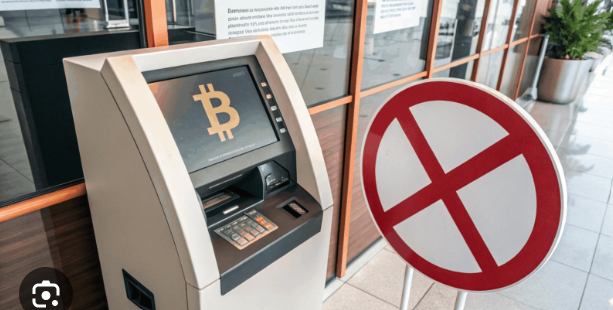
Canada is moving to shut down thousands of crypto cash machines as fraud cases tied to them keep piling up, and the timing could not be more striking. The country that gave the world its very first Bitcoin ATM in Vancouver back in 2013 is now proposing a full Canada Bitcoin ATM ban, a sharp reversal that signals just how serious the problem has become.
The Liberal government included the proposed nationwide ban in its Spring Economic Update released Tuesday, describing crypto ATMs as a “primary method” for scammers to defraud victims and for criminals to launder illicit cash. The announcement landed without many operational specifics, but the direction is clear: these machines need to go.
There are currently just under 4,000 cryptocurrency ATMs in Canada, the most per capita in the world, according to finance officials. Despite that, Canada has operated without any industry-specific regulations for the machines. That regulatory gap, critics say, is exactly what fraudsters have exploited.
Crypto ATMs allow funds to be sent quickly without a bank account. For most transactions under $1,000, only a phone number is required, and unlike a bank, there is no human teller trained to spot a fraud in progress. It is a combination that has made these machines a preferred tool for criminals.
Canada’s financial intelligence agency, FINTRAC, flagged this in a February 2023 review of suspicious transaction reports, identifying crypto ATMs as a recurring method for moving funds linked to fraud schemes. CBC News also ran a three-part investigative series, Feeding Fraud: The Crypto ATM Problem, that exposed how deeply embedded these machines are in scam operations across the country.
Canadians who still want to buy digital assets will not be completely locked out. The government confirmed that purchases through brick-and-mortar money services businesses will remain an option under the proposal.
The Canada Bitcoin ATM ban also comes alongside broader financial crime legislation. The government introduced legislation to create a new specialized federal law enforcement agency with a mandate to investigate serious and complex financial crimes, including money laundering and major capital market crimes. The Public Prosecution Service of Canada will receive $46.2 million over five years in additional funding to support the effort.
Canada is not alone in this push. The UK effectively banned crypto ATMs in 2021 by building a licensing framework that has not approved a single operator. New Zealand is proposing a similar ban, while Australia introduced daily transaction limits following a major investigation by its financial intelligence agency. The global picture is tightening.
Separately, lawmakers are also advancing Bill C-25, the Strong and Free Elections Act, which would prohibit political parties and related groups from accepting cryptocurrency donations, citing challenges in verifying donor identities and tracking the origin of funds.
For now, the Canada Bitcoin ATM ban remains a proposal, but momentum is clearly building. With FINTRAC, law enforcement, and investigative journalists all pointing in the same direction, it may only be a matter of time before those machines go dark for good.