Sam Altman Disagrees With Musk: “Money Will Still Matter” In 10 Years
Quick Reads
- Sam Altman says money will still matter in 10 years, disagreeing with Elon Musk’s claim that AI will make money pointless by 2036.
- Altman’s bigger worry isn’t abundance, it’s that AI could make a small group of people and companies richer and more powerful than everyone else.
- The disagreement matters for African startups too, since it touches who controls AI tools and who actually benefits from them being cheaper.
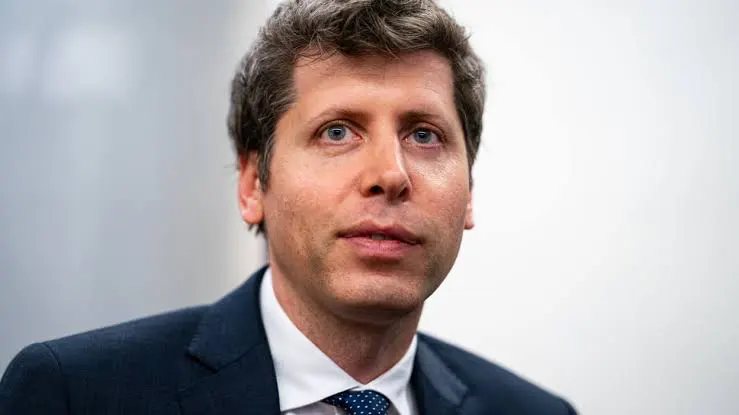
Sam Altman says money will still matter in ten years, pushing back on Elon Musk’s prediction that AI-driven abundance will make currency irrelevant by 2036, with implications that stretch well beyond Silicon Valley.
Musk made the original claim during a July interview with The Economist, arguing that AI and robots will soon produce so much that currency loses its purpose.
Asked about it directly, Altman disagreed. “I think money will still matter in ten years,” he said, adding that his bigger worry is different: “One of the greatest concerns I have with AI is the concentration of power and concentration of wealth.”
Altman didn’t dismiss the upside. He agreed AI “will make a lot of things much cheaper and better,” using car ownership as an example of something people may no longer need. But he was clear that cheaper goods don’t equal fairer outcomes: “There are many reasons to think it won’t just magically solve wealth inequality.”
For Startups In Africa
This isn’t just a Silicon Valley argument. Right now, the companies building the most powerful AI tools, and the money and computers behind them, are mostly based in the US and China. If Altman is right that AI makes power and money more concentrated, African startups could end up depending on tools they don’t own or control.
It’s worth noting Africa isn’t standing still in tech. The continent now has 10 startup unicorns, companies worth over $1 billion, including Nigeria’s Moove, Flutterwave, and Moniepoint, and 13 African countries made it into StartupBlink’s 2026 ranking of the world’s top 100 startup ecosystems.
African startups are also raising $3–4 billion a year even as global funding has tightened elsewhere. So the question isn’t whether Africa is building tech, it clearly is, it’s whether that growth plugs into the next wave of AI on its own terms, or ends up renting access from a handful of foreign labs.
If AI keeps getting cheaper, like Musk predicts, African founders could get access to powerful tools, like customer service bots, fraud detection, or automation, without needing the huge amount of money it once took to build them. That could actually help smaller startups compete with bigger, richer companies.
So which one wins out for Africa, cheaper tools or deeper dependence, isn’t decided yet. It will likely come down to things like government policy, local investment in tech infrastructure, and whether African founders get a real say in how these AI tools are priced and shared.