Trump says he should’ve asked for a bigger Intel stake after talks with the CEO.
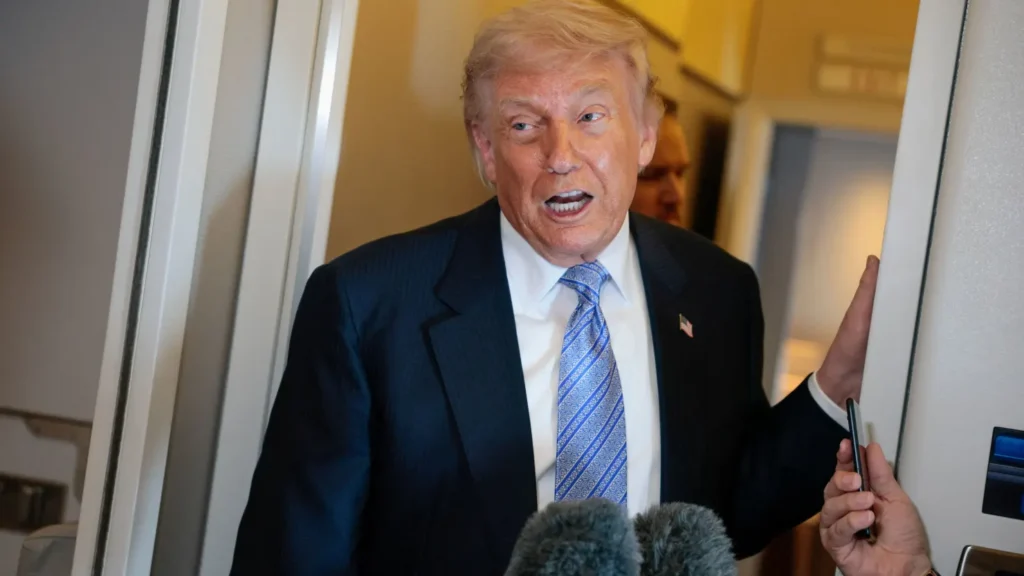
It started as an unusual deal. It has become one of the most profitable investments the US government has ever made. President Donald Trump told Fortune magazine he should have asked for a bigger stake in Intel. The government’s 10% holding has surged more than 300% in value since the deal was announced nine months ago.
In August 2025, Commerce Secretary Howard Lutnick announced that the US government had taken a 9.9% stake in Intel. The government did not pay cash. Instead, it converted $5.7 billion in unpaid CHIPS Act grants into equity. It also drew $3.2 billion from the Defence Department’s Secure Enclave program. Together, those funds purchased 433.3 million Intel shares at $20.47 each.
The deal gave the government a passive ownership position. There is no board seat and no governance rights. The government agreed to vote with Intel’s board on most matters. Trump personally claimed credit, writing on Truth Social: “The United States paid nothing for these Shares, and the Shares are now valued at approximately $11 Billion.”
Trump Intel Stake: How Much Is It Worth Now?
That $11 billion figure aged quickly. The government’s Intel position grew to more than $56.5 billion after news broke of a preliminary Apple and Intel chip manufacturing agreement. Intel shares climbed to around $129, an all-time high. The stock more than doubled in April 2026 alone. April was Intel’s best month in its 55-year history on the Nasdaq. It confirms the Trump Intel stake now represents unrealised gains of more than $47 billion for US taxpayers. In the Fortune interview published Monday, Trump asked: “Do I get credit for it? Does anybody even know I did that?”
What Drove Intel’s Remarkable Recovery
Intel’s turnaround rests on several converging deals. Microsoft signed on for Intel’s advanced 18A manufacturing process earlier this year. Apple recently reached a preliminary agreement to have Intel make some chips for its devices. That marked the first time Apple agreed to use Intel for production silicon.
Additionally, Tesla CEO Elon Musk confirmed in April that he plans to rely on Intel’s future chips for his $119 billion Terafab AI infrastructure project. It noted that Trump had also publicly praised Intel CEO Lip-Bu Tan. Meanwhile, Commerce Secretary Lutnick had held repeated meetings with Apple CEO Tim Cook to push the Apple-Intel chip partnership forward. Therefore, the Trump Intel stake now tells a broader story: a government bet on domestic chip manufacturing that, at least so far, has dramatically paid off.