Paystack Launches Global Stack, a Single API to Connect Africa’s 41 Currencies to the Onchain Economy
Quick Reads
- Paystack has launched Global Stack, a single API meant to connect Africa’s 41 currencies to the onchain economy.
- CEO Shola Akinlade announced it at Solana Breakpoint 2026 in London.
- The plan is to bring bank transfers, mobile money, M-Pesa and card payments onto the Solana blockchain.
- Global Stack is aimed at fintechs, neobanks and payroll platforms, and it supports stablecoin payments.
- The company has not announced a go-live date for the Solana connection, and the product’s documentation currently lists fewer currencies than the headline figure.
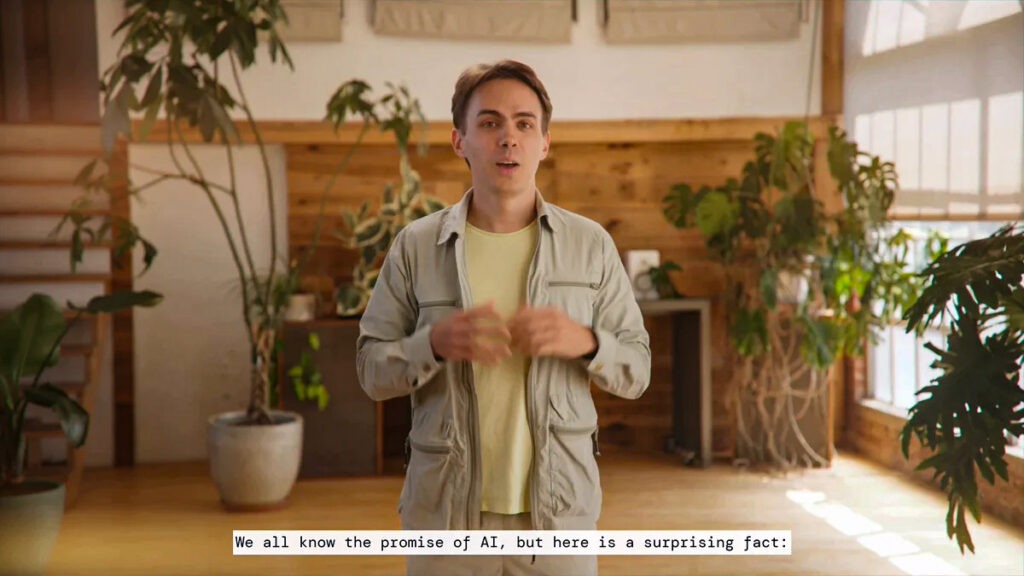
Paystack Global Stack is the Stripe-backed company’s biggest move toward blockchain-based payments. Akinlade announced it at Solana Breakpoint 2026 in London, outlining plans to connect Paystack’s existing payments network to on-chain settlement infrastructure.
What Is Paystack Global Stack?
Paystack Global Stack is an API, which is a tool developers plug into their own software. It is built for fintechs, neobanks and payroll platforms to collect, hold, convert and pay out money across Africa, in local currency or stablecoins.
The aim, according to Solana Breakpoint coverage, is to bring traditional payment methods, including bank transfers, mobile payments, M-Pesa and card payments, onto the Solana blockchain.
In plain terms, a business could accept a customer’s normal local payment and settle it through blockchain rails. Customers would not have to learn how crypto works.
How Paystack Global Stack Works
The product site lists the main pieces. Businesses can accept bank transfers and mobile money in local currency, and pay out to bank accounts and mobile money wallets.
They can give each customer a named virtual account, create wallets for customers, and convert between local currency and stablecoins in either direction. Stablecoins can be sent and received on Solana, Base and Ethereum. Each quote shows the exchange rate and all fees as one number, and a managed treasury service is offered for transfers of $500,000 and above.
On the developer side, the site says a payout takes four API calls: find the corridor, get a quote, execute it and receive a webhook when it completes.
How Many Currencies Does Paystack Global Stack Cover?
The headline says 41 currencies, but the details vary. A Solana Compass report says the developer documentation puts coverage at 14 currencies across 21 African countries. The product site itself mentions local currency payouts in 20 markets. The 41-currency figure is best read as the target for the network, not what developers can use today.
The Paystack Scale Behind Global Stack
Paystack brings real volume to the project. It serves more than 400,000 businesses across Africa, processing over $15 billion in annual payments and more than 60 million transactions monthly, with partnerships with more than 50 banks and 11 licences across seven markets.
The ownership picture has also changed. Paystack was acquired by Stripe in 2020, and in January it announced a new parent company. The Stack Group will have three founding shareholders: Stripe, CEO Shola Akinlade and Paystack employees. The structure is subject to regulatory approvals.
Why Paystack Global Stack Matters for Nigeria
For Nigeria, the timing involves regulation. Paystack is participating in the Central Bank of Nigeria’s virtual asset service provider supervisory pilot, introduced in March 2026. A Condia report describes Global Stack as Paystack’s play for Nigeria’s onchain payments infrastructure, and says it could reduce friction for merchants, freelancers and platforms that need faster cross-border and local settlement.
For Nigerian businesses that pay or get paid across borders, faster settlement and one integration could cut costs and delays. That benefit depends on the product reaching customers and on regulators allowing it.
What Is Still Unknown About Paystack Global Stack
Several important details are still missing. Solana Compass lists a go-live date for the Solana connection and when the Global Stack waitlist opens more widely among the open questions.
Pricing and which Nigerian use cases launch first have not been published. The reports focus on infrastructure companies, since the product is pitched to fintechs, neobanks and payroll platforms, not directly to everyday users.
Paystack Global Stack shows one of Africa’s biggest payment companies betting that stablecoins and blockchain rails will become part of normal payments. The next steps to watch are the go-live date, how many of the 41 currencies become usable, and how regulators respond.