NVIDIA Quantum Push Makes Xanadu CEO Billionaire as Quantum Stocks Surge
Quick Reads
- NVIDIA’s quantum computing push triggered a massive surge across global quantum technology stocks.
- Christian Weedbrook became a billionaire as Xanadu Quantum Technologies shares skyrocketed.
- The rally happened despite NVIDIA making no direct investment in Xanadu.
- NVIDIA unveiled Ising models, NVQLink, and a new quantum research center to advance the industry.
- Despite hype, quantum firms generate low revenue and face long timelines for real-world applications.
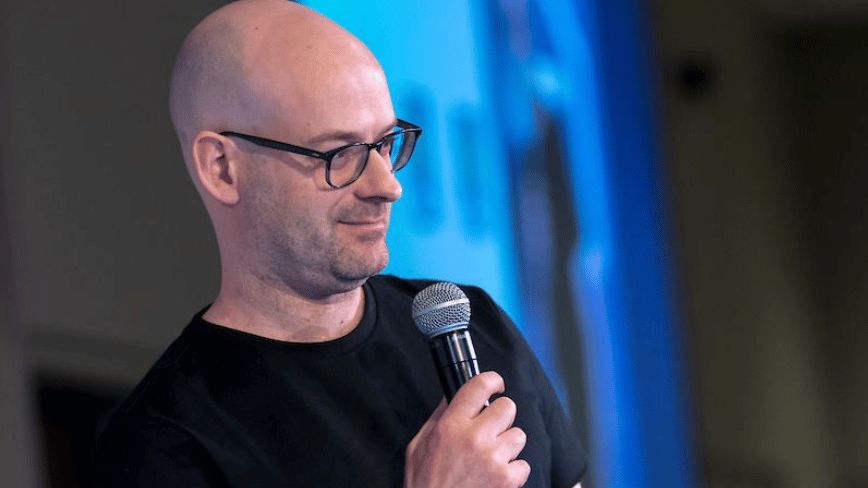
Christian Weedbrook had a very good week, and NVIDIA did not even write him a cheque. Xanadu’s CEO and founder became a billionaire after shares surged fivefold in six sessions. NVIDIA’s quantum announcement triggered the rally, despite no direct connection.
Weedbrook’s 46.4 million multiple-voting shares were valued at approximately $1.5 billion as of midday Friday.NVIDIA’s broad quantum push signalled serious intent. Investors responded by driving up quantum stocks across the market.
On April 14, NVIDIA launched Ising, open-source AI models tackling quantum error correction and calibration challenges. The models are up to 2.5 times faster and three times more accurate than current benchmarks. The calibration tools reduce quantum processor setup time from days to hours. NVIDIA also introduced NVQLink to connect GPUs with quantum processing units. NVQLink supports 17 QPU builders and nine US national laboratories. The company announced a new quantum research center in Boston. The center strengthens NVIDIA’s role bridging classical and quantum computing systems.
Xanadu, the only publicly traded pure-play photonic quantum computing company, was the most dramatic beneficiary of NVIDIA quantum push. The stock jumped 17% on Friday, 28% on Monday, 29% on Tuesday, and 70% on Wednesday, prompting Canada’s Investment Regulatory Organization to halt trading five times in a single session. Since its March 27 SPAC listing on both the Nasdaq and the TSX, Xanadu has gained roughly 194%.
Xanadu builds quantum computers using beams of light to encode qubits, an approach its backers argue is more scalable because photonic components can be produced through existing semiconductor manufacturing. Its Aurora system has demonstrated 12 logical GKP qubits and the company is targeting fault-tolerant quantum systems by 2029–2030. Corporate partners include Lockheed Martin, AMD, Rolls-Royce, and Applied Materials, and the company is in talks for up to C$390 million in co-investment from Canadian federal and Ontario provincial governments.
The financials, however, tell a different story. Revenue for 2025 came in at $4.6 million, up 188% year-on-year but against a net loss of $70.7 million. At its peak this week, Xanadu’s market capitalisation briefly exceeded $3 billion. Rigetti, another quantum name that gained over 30% on the week, is trading at roughly 1,025 times sales. D-Wave, up more than 50%, sits at 325 times. For context, Palantir, the priciest stock in the S&P 500, trades at around 120 times.
NVIDIA’s venture arm has already invested directly in the quantum sector: it led Quantinuum’s $600 million Series B, joined QuEra Computing’s $230 million round, and participated in PsiQuantum’s $1 billion raise. Xanadu is not on that list. Yet NVIDIA’s quantum computing announcement validated photonic quantum computing as a viable modality, and the market did the rest.
A UC Berkeley Haas School of Business analysis suggests that practical quantum applications in drug discovery and financial analysis won’t materialise until around 2040. Grand View Research puts the total quantum computing market at $4 billion by 2030, a figure that is already dwarfed by the combined market cap of today’s publicly traded quantum names.
Weedbrook’s new billionaire status is real on paper. Whether it holds depends on whether Xanadu can grow from 12 logical qubits to the thousands needed for meaningful commercial applications, and whether investor enthusiasm for the sector outlasts the inevitable correction. The technology is advancing, the capital is real, but the timelines the market is betting on remain deeply optimistic. NVIDIA did not make Xanadu a promise. It made quantum computing look inevitable, and that was enough.