Meta Manus Deal Turns Into a Warning for Chinese AI Founders
Quick Reads
- Meta acquired Chinese AI startup Manus for over $2 billion in December 2025.
- China launched an investigation into the deal and barred two Manus co-founders from leaving the country.
- Manus had already moved its HQ to Singapore and shut down Chinese operations before the acquisition.
- Chinese AI founders are increasingly relocating abroad in a trend known as “China-shedding.”
- The Meta Manus deal is pushing both founders and foreign investors to think twice about ties to China.
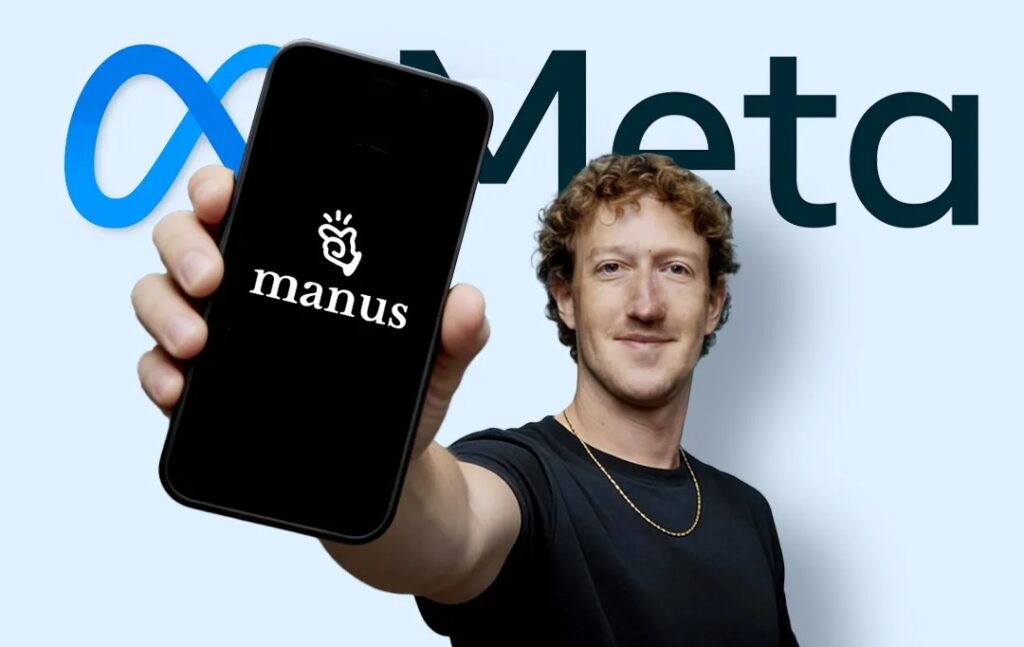
The Meta Manus deal was supposed to be a historic win. Instead, it has become a cautionary tale for Chinese AI entrepreneurs everywhere.
Meta acquired Manus, a Chinese-founded AI startup, for over $2 billion in December 2025. The deal briefly felt like a celebration of homegrown Chinese tech talent reaching Silicon Valley heights. Manus founder Yichao “Peak” Ji even shared photos on X marking the moment with a nod to Zuckerberg’s early days.
However, the celebration did not last long. The Chinese government launched an investigation into the acquisition earlier this year. Authorities cited concerns over technology exports and compliance with Chinese cross-border acquisition laws.
Then, things got more serious. The Financial Times reported that China barred two Manus co-founders from leaving the country. The investigation is still ongoing, and Meta maintains the deal was fully compliant.
Manus had carefully positioned itself as a global product. The company moved its headquarters from China to Singapore. It also shut down its Chinese operations and secured investment from U.S. venture capital firm Benchmark. Its AI assistant could build websites, screen resumes, and conduct stock market research autonomously.
Nevertheless, its Chinese roots became a liability. The Meta Manus deal exposed how political scrutiny can follow Chinese founders no matter how global they go.
This situation is now pushing Chinese AI entrepreneurs further away from home. Founders are increasingly relocating to Singapore and California in a trend analysts call “China-shedding.” A Silicon Valley-based Chinese investor told Rest of World that the consensus among founders has shifted. “The consensus is to start companies in America,” the investor said, “especially given what happened to Manus.”
Meanwhile, China’s attempt to curb a brain drain may be producing the opposite result. By restricting its own founders, Beijing is making Chinese AI talent more eager to leave. Foreign investors are also growing more cautious about funding or acquiring Chinese-founded companies.
The Meta Manus deal, therefore, sends a double message. For Chinese founders, go global early, before viral fame attracts government attention. For American investors, working with Chinese companies still carries serious political risk.