Maryland Becomes First State to Ban Grocery Surveillance Pricing
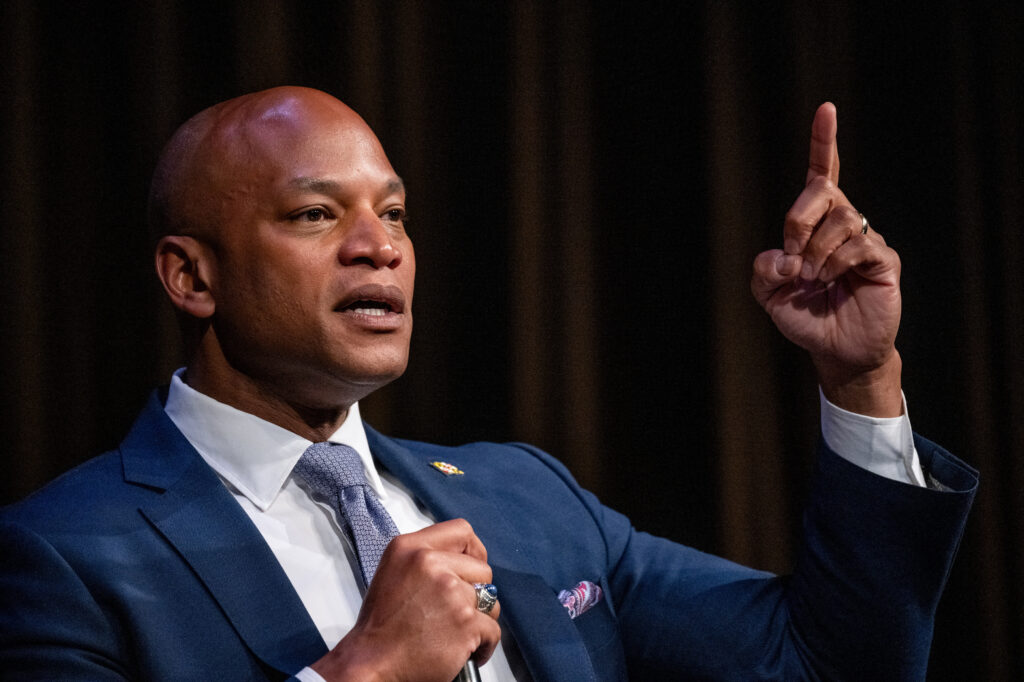
Maryland has made history as the first U.S. state to ban surveillance pricing in grocery stores. Governor Wes Moore signed the Protection from Predatory Pricing Act into law, with the measure set to take effect on October 1, 2026.
What the Law Actually Does
The legislation prohibits the use of dynamic pricing by requiring grocery store prices to remain fixed for at least one business day. It also bans the use of surveillance data information derived from observation or inference about a consumer’s behaviour or characteristics in automated systems used to set individualised prices. In plain terms, a store can no longer quietly charge one shopper more than another based on their personal data profile.
“Marylanders deserve to know that the price they see on the shelf is the price they will pay at the register,” Moore said in a press release. The law also covers certain third-party grocery delivery platforms, closing a gap that critics feared retailers might exploit.
Maryland bans surveillance pricing at a moment when many Americans are already feeling the squeeze. A Consumer Reports investigation found that Instacart’s algorithmic pricing experiments could result in price differences as high as 23% for certain products, potentially costing families over $1,200 a year at checkout.
Not everyone is celebrating, however. Consumer Reports raised concerns that industry-backed changes weakened the measure, noting serious loopholes including exemptions for loyalty programmes and subscription services, and no private right of action for consumers.
Violations carry fines of up to $10,000 for a first offence and up to $25,000 for repeat violations.
Maryland is the first state to enact such a ban, but California, Colorado, Illinois, and New Jersey are considering similar laws, with New York already introducing transparency rules. The momentum suggests this fight is far from over.