Israeli Strikes on Lebanon Kill 300, Beirut Files UN Complaint
Quick Reads
- Israeli strikes on Lebanon on April 8, 2026, killed at least 303 people and wounded over 1,150 others.
- Israel launched more than 100 strikes in roughly ten minutes, calling the operation “Eternal Darkness.”
- Lebanese Prime Minister Nawaf Salam called the assault a “blatant violation” of international law.
- The attacks came hours after the US and Iran announced a two-week ceasefire agreement.
- Iran warned it would abandon the ceasefire if Israel did not stop its attacks on Lebanon.
Israel hit Lebanon with its deadliest assault since the war resumed on March 2, 2026. More than 303 people were killed and 1,150 others were wounded on Wednesday, April 8. Lebanon’s cabinet responded the following day by voting to file an urgent complaint with the UN Security Council.
Israeli Strikes on Lebanon Killed Over 300 in Ten Minutes
Israel launched more than 100 strikes across Lebanon in roughly ten minutes on Wednesday. The Israeli military named the operation “Eternal Darkness.” Targets included Beirut, the Bekaa Valley, Sidon, Tyre, and Mount Lebanon.
Strikes hit densely populated areas without prior warning. Lebanon’s Civil Defence confirmed at least 254 people killed and 1,165 wounded in the initial hours. By Thursday, the Lebanese Health Ministry raised the death toll to at least 303. Hospitals across Beirut were overwhelmed with casualties. The American University of Beirut Medical Centre urgently appealed for blood donations of all types.
Human Rights Watch reported the strikes also destroyed the last main bridge linking southern Lebanon to the rest of the country. That bridge is a critical lifeline for tens of thousands of civilians. The organisation warned a humanitarian catastrophe was unfolding in the south.
Lebanon Files UN Complaint After Deadly Assault
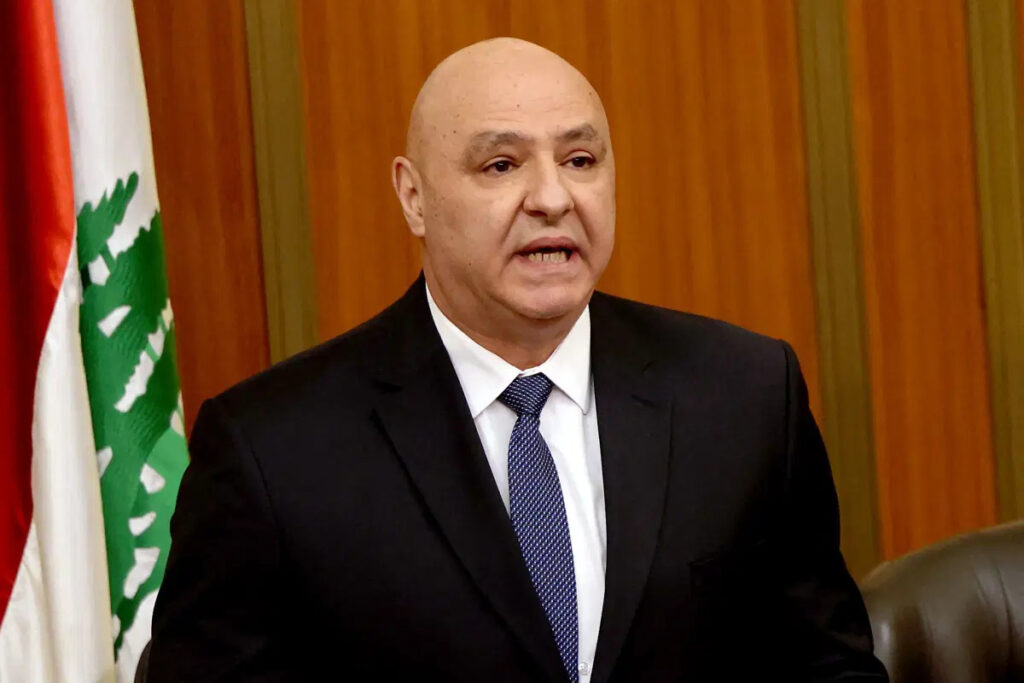
Lebanese Prime Minister Nawaf Salam addressed a press conference on Thursday, April 9. He said his cabinet had voted to submit an urgent complaint to the UN Security Council. He called the attacks a “blatant violation” of international and humanitarian law. Salam also ordered the Lebanese army and security forces to immediately reinforce full state authority over Beirut.
Lebanese President Joseph Aoun described the day as a “massacre.” He called for intense international pressure to ensure Lebanon is included in any regional ceasefire deal. The Lebanese government stated the assault ran counter to all regional and international efforts to end the conflict. Lebanon’s Parliament Speaker Nabih Berri called it a “full-fledged war crime.”
The Ceasefire Dispute: Who Is Lebanon’s War Covered By?
The timing of the strikes deepened a dangerous dispute over the scope of the US-Iran truce. Pakistan’s Prime Minister Shehbaz Sharif brokered the deal. He stated on X that the ceasefire covers “Lebanon and elsewhere, effective immediately.” Iran shared that statement and endorsed it.
Israel and the United States rejected that interpretation. US President Donald Trump told PBS that Lebanon was excluded “because of Hezbollah.” He called the conflict there a “separate skirmish.” Israeli Prime Minister Benjamin Netanyahu said Israel would “continue to strike” and that the ceasefire did not apply to Hezbollah.
Iran’s Foreign Minister Abbas Araghchi issued a direct challenge. He wrote on X: “The Iran–US ceasefire terms are clear and explicit: the US must choose, ceasefire or continued war via Israel. It cannot have both.” The Iranian Revolutionary Guard Corps also warned it would “fulfil its duty” and respond if attacks on Lebanon did not stop immediately.
World Condemns the Attacks, Peace Hangs in the Balance
Global condemnation came swiftly after Wednesday’s strikes. UN Secretary-General António Guterres unequivocally condemned the attack. UN Human Rights Commissioner Volker Türk called the scale of destruction “nothing short of horrific.” He said such carnage within hours of a ceasefire “defies belief.”
French President Emmanuel Macron urged Trump and Iranian President Masoud Pezeshkian to include Lebanon in the ceasefire. He called it a “necessary condition for the ceasefire to be credible and lasting.” Qatar condemned the strikes as a “flagrant violation” of Lebanese sovereignty. Spain, Turkey, Italy, Egypt, and dozens of others joined the condemnation.
Hezbollah said the killings confirmed its right to respond. The group subsequently fired rockets at northern Israel. It said the attack came in direct response to Israeli ceasefire violations. Under pressure from Trump, Netanyahu eventually agreed to direct talks with Lebanon. Washington asked Israel to operate more “low-key” as US-Iran negotiations continued in Islamabad. The fragile two-week truce remains under severe strain.