What CLARITY Act Means for Crypto: 5 Important Facts

Quick Read
It Creates Clear Crypto Rules in the U.S.
The CLARITY Act is designed to establish a comprehensive regulatory framework for cryptocurrencies, ending years of uncertainty over how digital assets should be classified and regulated.
The SEC and CFTC Would Share Oversight
Under the bill, the U.S. Securities and Exchange Commission would oversee crypto assets classified as securities, while the Commodity Futures Trading Commission would regulate digital commodities like Bitcoin and other decentralized tokens.
Stablecoin Yield Rules Are a Major Debate
One of the biggest sticking points is the bill’s proposal to ban interest payments on idle stablecoin balances while still allowing transaction-based rewards. Banks argue this could threaten deposits, while crypto firms say restrictions may hurt innovation.
The Bill Includes DeFi and Anti-Money Laundering Provisions
The legislation would require crypto exchanges and brokers to comply with anti-money laundering laws similar to traditional financial institutions. It also attempts to define when decentralized finance (DeFi) platforms qualify as truly decentralized.
The Senate Timeline Is Critical
Although the bill previously passed the U.S. House, it still faces hurdles in the Senate. Lawmakers and industry leaders say delays could push the legislation into the 2026 election cycle, potentially stalling major crypto regulation efforts.
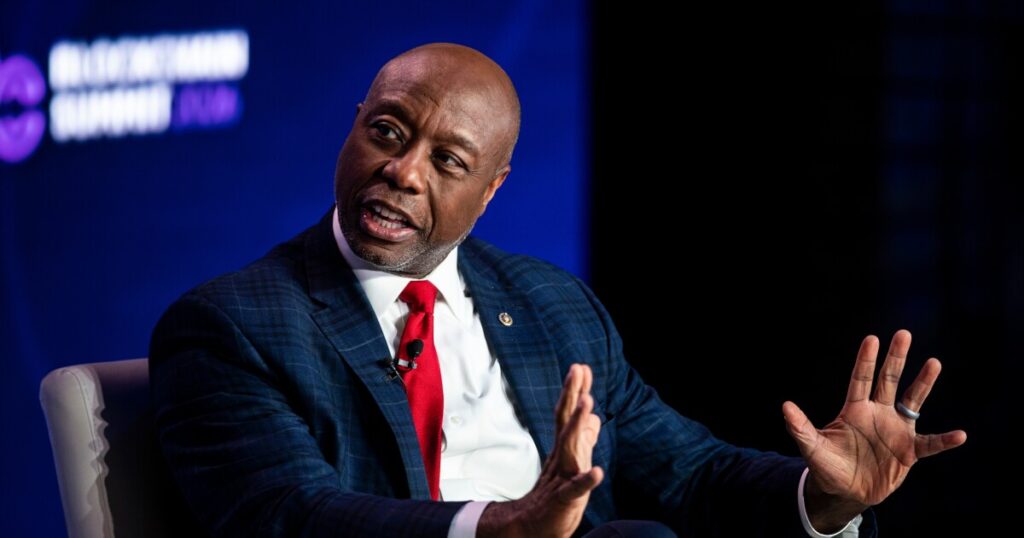
After more than 10 months of bipartisan negotiations, the US Senate Banking Committee has unveiled a new version of the CLARITY Act a sweeping bill that could redefine how digital assets are governed in America. With a key procedural markup now on the horizon, the CLARITY Act digital asset regulation push is drawing attention from banks, crypto firms, fintech innovators, and policymakers alike.
Recall that the Senate Banking Committee has scheduled a markup vote on the Digital Asset Market Clarity Act for Thursday, May 14, at 10:30 AM ET, bringing the United States one step closer to its first comprehensive crypto market-structure law. The CLARITY Act crypto market structure bill runs 309 pages and has been in the making for months, shaped by fierce negotiations between crypto firms, traditional banks, and lawmakers on both sides of the aisle.
At its core, the legislation sets out to create enforceable guardrails for digital asset markets, shielding consumers and investors while countering illicit finance and positioning the US as a competitive player in the global digital finance race. But the bill carries broader stakes than the headlines suggest.
One of the most consequential things the CLARITY Act aims to settle is the long-running debate over whether a digital token should be treated as a security or a commodity. This distinction has enormous implications, it determines which regulator holds oversight, what disclosures are required, and how exchanges and platforms must operate. Getting this classification right has been a decade-long argument in Washington, and this legislation takes its most direct stab at resolving it.
The fight over stablecoins is equally charged. Banks have pushed back hard against the idea of stablecoins paying yield, warning that it could pull deposits out of the traditional banking system. Crypto firms counter that such restrictions stifle innovation. The CLARITY Act doesn’t use the word “yield” outright, but it signals clearly that any digital asset offering a financial return, like interest, would likely fall under securities law rather than being treated as a commodity or permitted payment stablecoin. This puts the Act in direct conversation with the separately advancing GENIUS Act, which is also shaping stablecoin policy.
Beyond the domestic debate, the CLARITY Act digital asset regulation framework is about global competitiveness. Europe, Hong Kong, the UAE, and Singapore have all moved ahead with digital asset rules. Supporters of the Act argue that without a clear US regulatory structure, banks, fintechs, and crypto firms will simply build, and innovate, elsewhere.
Still, even if the bill passes, significant questions remain open. Issues around anti-money laundering protections, DeFi oversight, systemic risk, and consumer protection are still actively contested. The CLARITY Act may bring more regulatory transparency, but it also accelerates a deeper, unresolved debate: who governs the next generation of financial infrastructure, from tokenized assets to AI-driven financial agents, as they become increasingly embedded in how money moves around the world.