BAFTA Apologizes for Awards Night Racial Slur — and Admits It Wasn’t Ready
Quick Reads
- BAFTA has issued an unreserved apology to both the Black and disabled communities following an independent review into the racial slur incident at its February 2026 Film Awards.
- The review, conducted by Rise Associates, found no evidence of malicious intent or institutional racism but identified significant failures in BAFTA’s planning, escalation procedures, and crisis management.
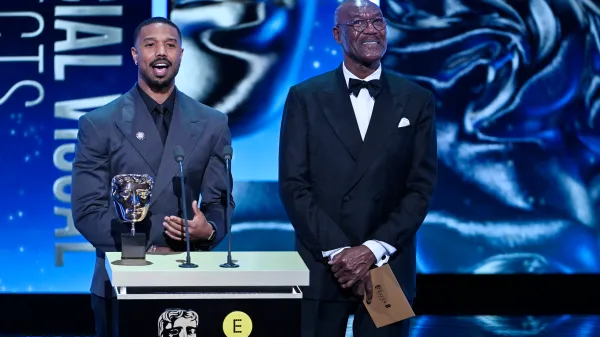
- Tourette’s campaigner John Davidson involuntarily shouted a racial slur multiple times during the ceremony, including while Sinners stars Michael B. Jordan, Delroy Lindo, and later Best Supporting Actress winner Wunmi Mosaku were present.
- The BBC, which broadcast the tape-delayed ceremony, was separately found to have breached its own editorial standards by allowing the slur to air and leaving the unedited version on iPlayer for over 12 hours.
- BAFTA’s TV Awards, also airing on BBC One and iPlayer, now loom as the institution’s next major public test.
BAFTA has released the findings of an independent review into the racial slur controversy that rocked its February Film Awards, apologizing “unreservedly” to the Black and disabled communities and conceding that its duty of care to everyone in the room and watching at home fell short.
The review, conducted by Rise Associates and published on April 10, confirmed what many already suspected: the incident was not born of malice, but of institutional unpreparedness. During the February 22 ceremony at London’s Royal Festival Hall, Tourette’s syndrome campaigner and I Swear executive producer John Davidson involuntarily shouted a racial slur on multiple occasions first as Sinners stars Michael B. Jordan and Delroy Lindo presented an award, and later in the direction of Best Supporting Actress winner Wunmi Mosaku. The fallout rippled across the industry and beyond in the weeks that followed.
The review found that BAFTA had not adequately appreciated the risks of a live broadcast appearance, that early warning signs were not escalated, and that the absence of a clear operational command structure limited the organisation’s ability to respond once the incident occurred. Deadline While the investigation stopped short of calling the evening a case of institutional racism, noting that such a conclusion would require racial bias to be embedded in systems and culture, it was pointed in its criticism of how BAFTA’s operational practices have lagged behind its stated diversity and inclusion commitments.
In a statement from the board of trustees, BAFTA acknowledged it did not adequately anticipate or prepare for the impact of such an incident in a live event environment. Variety The organisation also acknowledged the painful bind at the heart of this situation: the need to accommodate Davidson’s accessibility requirements had to be weighed against the safety and dignity of every other person in the room.
The review is only one part of a larger reckoning BAFTA now faces. The BBC’s own executive complaints unit separately ruled that broadcasting the slur was a clear breach of its editorial standards, though it found the breach was not intentional. Variety The ECU also found it was a serious mistake that the unedited recording remained available on iPlayer for as long as it did, aggravating the harm caused.
Variety BAFTA has since committed to a three-pronged reform: strengthening escalation procedures, adopting a broader intersectional approach to accessibility planning, and addressing internal knowledge gaps around diversity, equity, and inclusion. The BAFTA TV Awards, also set to air on BBC One and iPlayer in the coming weeks, will be the next significant test for both institutions.