Android 17 AI Features Transform Productivity and Security
Quick Reads
- Android 17 introduces Noto 3D emoji, starting with Pixel phones later this year.
- Rambler uses Gemini Intelligence to remove filler words from speech-to-text messages.
- Pause Point adds a 10-second delay to stop users from opening distracting apps.
- Android 17 strengthens security with stricter PIN attempt limits and background app monitoring.
- Switching from iPhone to Android now includes wireless transfer of passwords, eSIM, and home screen layout.
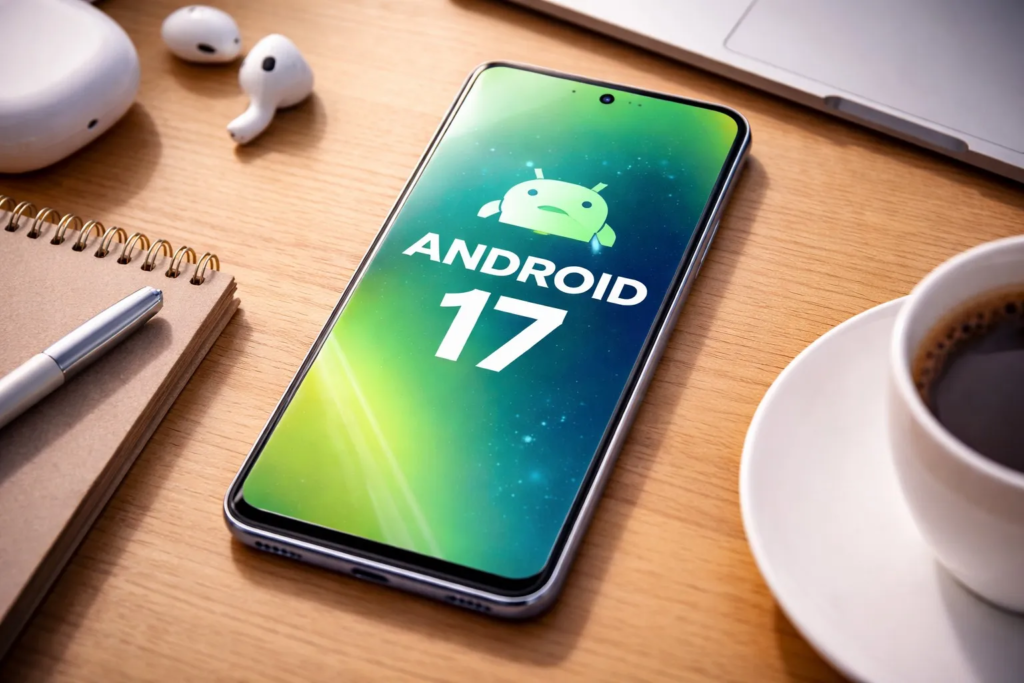
Android 17 AI productivity features are pushing Google’s mobile ecosystem into a far more intelligent era. Ahead of Google I/O 2026, Google previewed a wave of upgrades including Gemini-powered messaging tools, distraction-reducing app controls, immersive Android Auto navigation, and dramatically easier wireless transfers from iPhone devices.
First, the visuals get a big shake-up. Google introduces 3D emoji called Noto 3D, with Pixel phones getting access first later this year. Furthermore, a new Gemini Intelligence-powered speech-to-text tool called Rambler removes filler words and builds concise messages, even across different languages mid-sentence.
Meanwhile, Android 17 also tackles screen addiction directly. A new feature called Pause Point gives users a 10-second pause before opening a distracting app. Additionally, users can set alternative app suggestions or even require a full phone restart before disabling the pause. This makes Pause Point one of the most deliberate Android 17 new features in this update.
On the security side, Google tightens the screws significantly. Android 17 reduces incorrect password attempts and adds longer wait times between failed tries. Moreover, a dynamic signal monitoring feature watches for apps that hide their icons or abuse accessibility permissions in the background.
The update also brings a major leap for cross-platform users. Google now wirelessly transfers passwords, photos, messages, contacts, and even an eSIM when switching from iPhone to Android, with Pixel and Samsung Galaxy devices supporting this first. In addition, Quick Share now supports AirDrop transfers across more Android brands, including Oppo, OnePlus, Vivo, Xiaomi, and Honor.
Android Auto also gets a full redesign. Google rebuilds Android Auto with Gemini at its core and a refreshed Material 3 Expressive interface that fits any infotainment display shape. Google Maps, furthermore, gains what the company calls Immersive Navigation.
A stable public release of Android 17 is expected in June 2026, with more announcements rolling out at Google I/O on May 19.