AI Powered Restaurants Are Coming and Anyone Can Own One
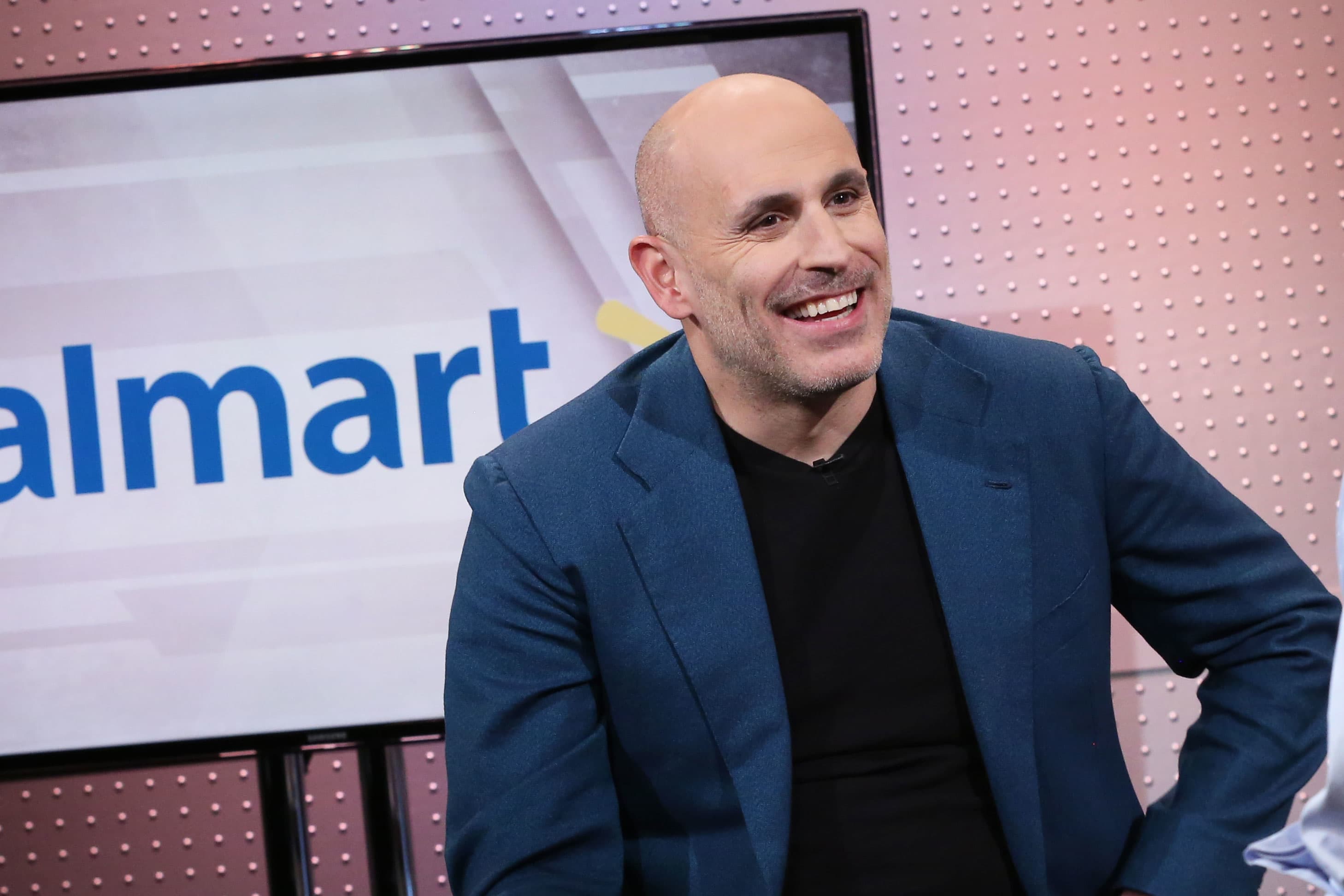
What if you could open a restaurant with just a text prompt? That is exactly what Marc Lore, the serial entrepreneur behind Walmart’s e-commerce empire, is building at his food startup Wonder.
Speaking at The Wall Street Journal’s “Future of Everything” conference this week, Lore unveiled more details about Wonder Create, an initiative designed to let anyone spin up an AI powered restaurant brand in under a minute. Type in what kind of restaurant you want, and the AI handles the name, branding, menu descriptions, pricing, health information, photos and recipes. Once ready, that virtual brand goes live across Wonder’s entire network of tech-enabled kitchen locations.
The concept is as ambitious as it sounds. Wonder currently operates 120 of what Lore calls “programmable cooking platforms,” locations that function as up to 25 different restaurant types within a single all-electric kitchen. That number is expected to hit 400 by next year. Each kitchen carries a 700-ingredient library and a growing fleet of robotic cooking equipment, including a recent acquisition of Spice Robotics, the maker of an automated bowl-making machine used by Sweetgreen. Next year, Wonder plans to introduce an “infinite sauce machine” capable of producing roughly 80% of all sauces found in internet recipes today.
Lore described the AI powered restaurant creation process as a “Shopify front-end with an AI prompt.” The pitch is deliberately broad. He envisions mega-influencers and micro-influencers monetising their audiences through food brands, personal trainers offering curated meal bowls, nonprofits running food initiatives, and even entertainment companies like Disney using it as a marketing vehicle.
The throughput ambitions are staggering. Lore says Wonder currently handles about 7 million meals per year from its kitchens with a team of 12 staff each. His target is to push that figure to 20 million out of just 2,500 square feet, also with 12 people, by leveraging robotics. By 2035, he wants 1,000 unique restaurant brands operating out of a single one of those spaces.
The idea draws inevitable comparisons to ghost kitchens, a model that promised similar democratisation of food brands in the early 2020s before running into serious trouble. MrBeast Burger became a cautionary tale, with customers reporting wildly inconsistent food quality across different contracted kitchens. Wonder’s bet is that its centralised, automated, and increasingly robotic infrastructure solves that problem at the root.
Lore has been aggressive in building the ecosystem around this vision. Wonder acquired Grubhub for $650 million, giving it access to a platform that delivers 250 million orders a year. It also picked up Blue Apron for its meal-kit business and recently spent $6.5 million on New York City’s Blue Ribbon Fried Chicken. His logic: buy an established brand with 10 or 50 locations, and overnight you can scale it into 1,000 Wonder kitchens.
There are honest limits Lore acknowledges. Wonder’s kitchens cannot stretch pizza dough or hand-roll sushi. The focus stays on high-volume basics like burgers, chicken wings, fried chicken and bowls. But within those guardrails, the case for the AI powered restaurant as a genuine business platform, not just a tech demo, is getting harder to dismiss.