Neuralink Telepathy: What the Brain Implant Has Achieved So Far
Elon Musk has described Neuralink’s first product, Telepathy, as a way to communicate with computers, or even other people, simply by thinking. He has also said its output bandwidth will soon vastly exceed the fastest human speech or typing. It is a bold promise, so here is what is actually true so far.
What Is Neuralink Telepathy?
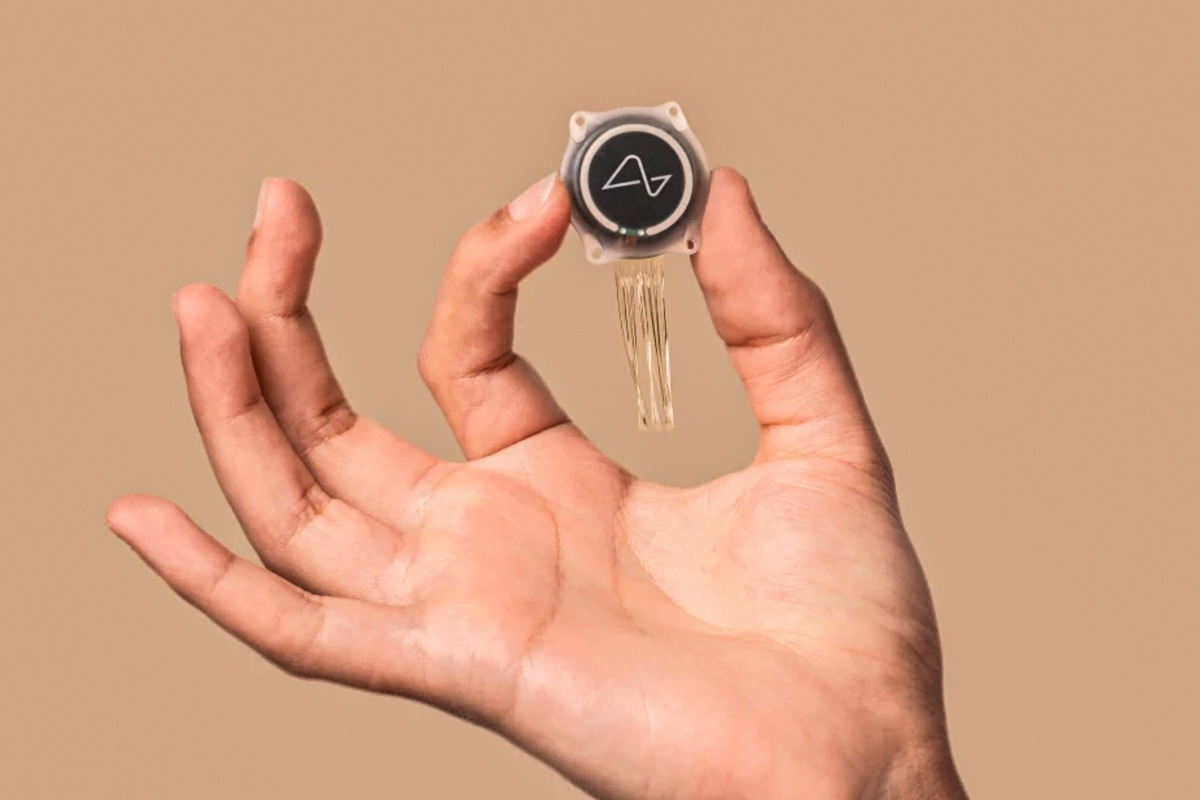
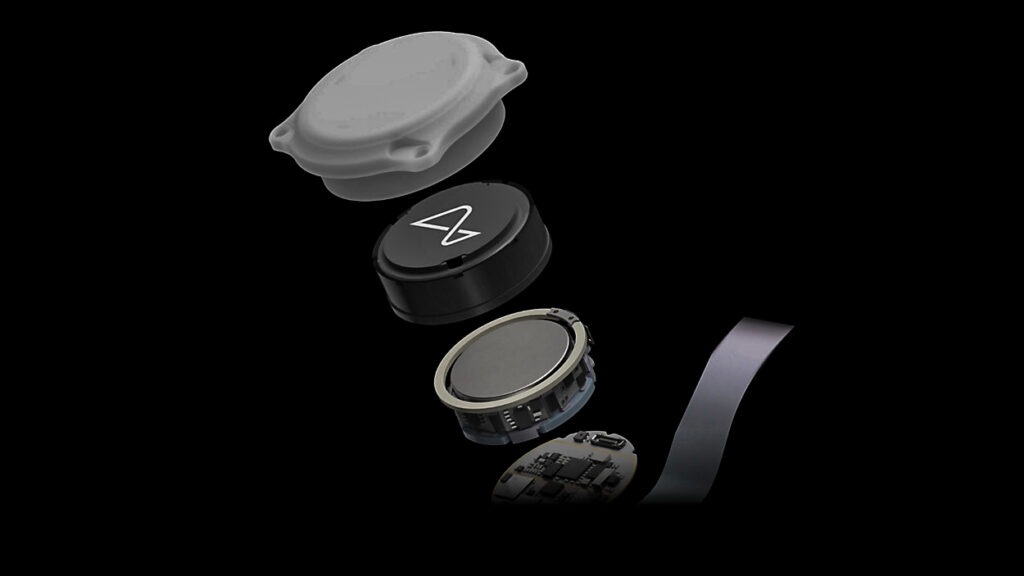
Telepathy is the name of Neuralink’s first brain implant, called the N1. It is a fully implantable brain-computer interface built to let a person operate a computer or phone through a neural link.
Despite the name, it does not read your private thoughts. It reads brain activity from the areas that control hand movement and turns those signals into digital commands. In simple terms, the user imagines moving their hand, and the computer responds.
How Does It Work?
A surgical robot places very thin threads with tiny electrodes into the part of the brain that plans movement. When the user tries to move, the electrodes pick up the activity of nearby brain cells. The implant sends this data wirelessly to software, which translates it into actions such as moving a cursor, clicking or typing. The system improves as it learns from more data.
What Has Telepathy Achieved So Far?
The first human received the implant in January 2024. His name is Noland Arbaugh, and he has since returned to college and uses the implant to work on a computer.
By January 2026, 21 people, whom Neuralink calls Neuralnauts, were taking part in the trials. Here is what they have reported:
Cursor control: Several participants passed 10 bits per second, which matches or beats average mouse control in people without movement disorders.
Typing by thought: By imagining finger movements on a mental keyboard, participants reached up to 40 words per minute.
Robotic arm: One participant used a robotic arm well enough to feed himself.
For people with paralysis, this means more independence in study, work, gaming and art.
Will It Soon Beat Speech and Typing?
This is the part that remains a prediction. Musk has said speeds could eventually reach hundreds or thousands of bits per second, and possibly a megabit within five years. Today’s results are far below that. Telepathy matches a computer mouse and approaches ordinary typing speed, but it has not yet beaten the fastest speakers or typists.
Speed depends on more than the implant. It also depends on how many electrodes work, how stable the signal stays and how good the decoding software is. Neuralink is working on speech too. Its Voice study aims for 140 words per minute, which is close to normal conversation.
Is It Safe and Approved?
Telepathy is not approved for sale. It is cleared for clinical trials only. Neuralink reports no serious device-related problems, but this is the company’s own data. The first patient did have some of the implant’s threads pull back, and the company fixed this partly with software changes. Also, the longest-running implant is barely two years old, so nobody knows yet how it will perform over many years.
What Comes Next?
Neuralink plans to expand into speech restoration, and it has received an FDA breakthrough designation for that work. It is also developing Blindsight, a device meant to restore sight, though no new human result had been published as of mid-October 2026. Musk has also suggested that people could one day communicate brain to brain, but no evidence of this has been shown.
Privacy and Cost
Brain data is deeply personal, so questions about who owns it and who can access it matter. The cost is also huge. Today the technology is out of reach for most people worldwide, including in Nigeria, where specialist neurological care is already limited.
The Bottom Line
Neuralink Telepathy is real, working technology that is changing life for a small group of people with paralysis. The claim that it will vastly exceed human speech and typing is a forecast, not a proven fact. For now, it is a promising medical tool still being tested.