Google Launches TPU Satellite Into Orbit, Taking First Step Toward AI Computing in Space
Quick Reads
- Google has launched a prototype satellite carrying four Tensor Processing Units (TPUs) into orbit
- Google will collect in-orbit data on how its TPUs handle the harsh conditions of space.
- Google describes Suncatcher as a research moonshot, so there is no guarantee that orbital AI infrastructure will become practical or affordable.
Google has launched a prototype satellite carrying four Tensor Processing Units (TPUs) into orbit, marking the first step of Project Suncatcher, a long-term research moonshot to find out whether scalable machine learning infrastructure can one day operate in space.
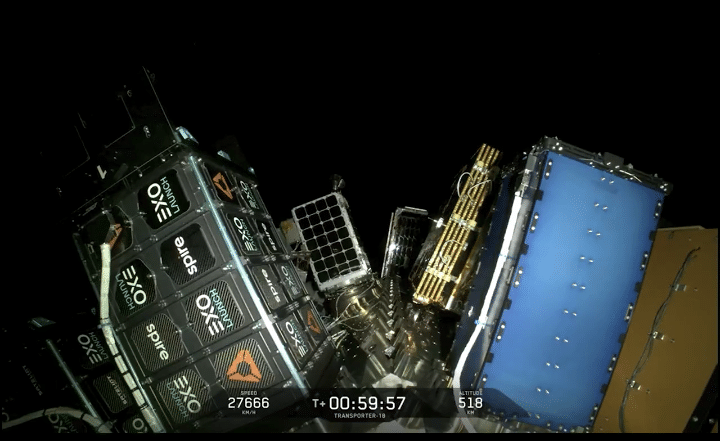
Built in partnership with Planet, the satellite lifted off on SpaceX’s Transporter-18 rideshare mission. The launch moves the idea from concept to real-world testing, as Google shared on X.
What Google Wants to Learn
Over the coming weeks, Google will collect in-orbit data on how its TPUs handle the harsh conditions of space. The test focuses on three challenges: physical stress, radiation, and thermal extremes. Each is a serious threat to sensitive computing hardware that was never designed for life outside Earth’s atmosphere.
Google says the results will feed directly into the design of future systems. In other words, the prototype is a learning tool rather than a finished product. Every data point will help engineers decide what must change before more ambitious hardware is considered.
Why It Matters
The concept behind Project Suncatcher is to tap into the abundant solar energy available in orbit to power AI computing. That could ease the growing pressure that AI workloads place on land-based data centres and electricity grids.
Still, Google describes Suncatcher as a research moonshot, so there is no guarantee that orbital AI infrastructure will become practical or affordable. The coming weeks of testing should show whether TPUs can survive and perform reliably beyond Earth.
For now, four TPUs are circling the planet, and the technology world is watching what they tell us. Read more in Google’s official Project Suncatcher post