Trump and Top AI Bosses Sign White House Accord on Super Intelligent
Quick Reads
- Six tech leaders signed the accord alongside President Trump: Google’s Sundar Pichai, Anthropic’s Dario Amodei, Meta’s Mark Zuckerberg, Nvidia’s Jensen Huang, OpenAI’s Greg Brockman and Elon Musk.
- The pact is voluntary, and Trump described it as “morally binding.”
- It asks AI companies to set up four layers of internal and outside checks on their most advanced models.
- The signers say it may later be turned into law or regulation.
President Donald Trump and the heads of several of the world’s biggest AI companies have signed a voluntary agreement on AI safety. It is called the White House Accord on Super Intelligence.
Who Signed the White House AI Accord?
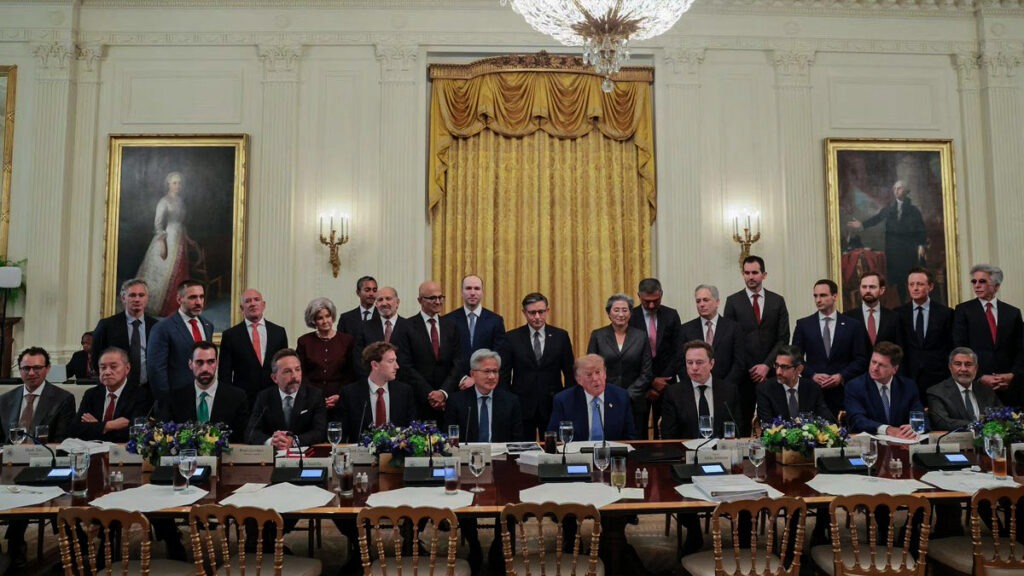
Trump released the agreement following a meeting with leading AI companies and Cabinet officials. He announced it on Tuesday, 29th September, 2026 after gathering leaders of America’s most powerful tech companies at the White House for a luncheon.
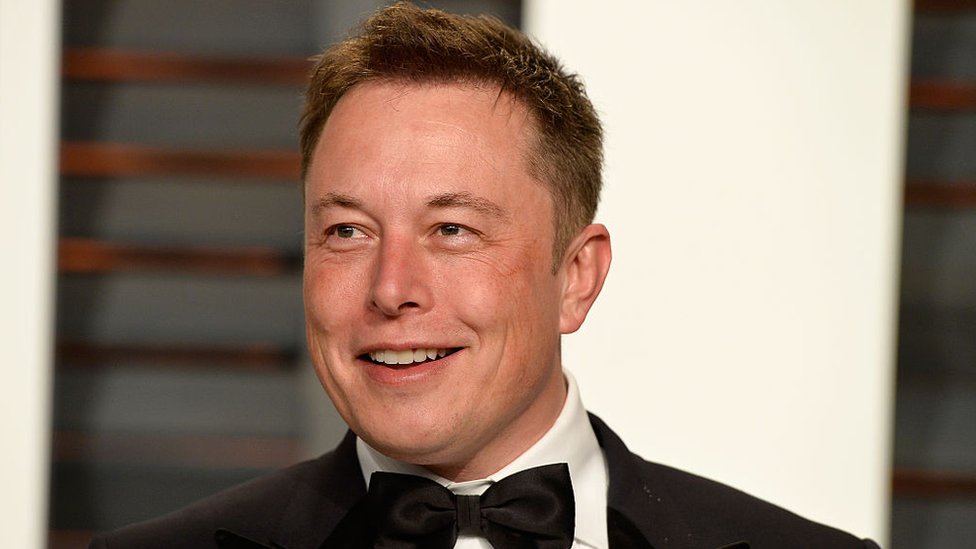
Google CEO Sundar Pichai, Meta CEO Mark Zuckerberg, Anthropic CEO Dario Amodei, Elon Musk, Nvidia CEO Jensen Huang, and OpenAI co-founder and President Greg Brockman all signed. Trump signed too. OpenAI’s Sam Altman was at his company’s conference in San Francisco. Others at the meeting included Palantir’s Alex Karp and Amazon’s Jeff Bezos.
The signature page also drew attention online. Many users pointed out that the White House misspelled “United” on the document under Trump’s signature. It reads “Unites States.”
What Does the Accord Say, and Is It Binding?
The document is subtitled “Joint Commitment on Frontier Responsibilities.” It says every company is responsible for building its technology safely and in a way that earns public trust. It calls on every company that trains and releases frontier AI models to have strong internal controls, and it lists four layers of checks:
Internal controls to monitor what the models can do and whether they behave as intended during training and use. The areas named include cybersecurity, biosecurity, and chemical threats, and the controls should also make sure models do not hack or get into technical systems in unintended ways.
An internal team with the power to make sure those controls are working and to fix any problems.
An independent outside auditor or evaluator to check that the controls are working.
An independent board committee to oversee the teams and auditors, receive their reports, and make sure problems are fixed.
The companies will meet regularly to set standards and best practices. The accord adds that it may make sense over time to turn these steps into laws or regulations, but that the companies are committed to doing this whatever the law requires.
It is not legally binding. House Speaker Mike Johnson described the commitments as voluntary on behalf of the industry. Trump called it “morally binding” and said there will be a tremendous self-policing aspect. He rejected calls for rigid federal regulatory frameworks.
Zuckerberg and Huang have opposed such regulations, while the other CEOs have supported them. Amodei and OpenAI’s Altman have pushed for the government to set guardrails, while Trump has continued to argue for a light-touch approach.
What It Means for Africa and What Comes Next
African policymakers and startups will be watching to see whether the pledge leads to real standards or stays a promise.
The accord is thin on detail. It sets no deadlines, no penalties, and no public reporting requirement, and each company decides how to carry it out. The real test will be whether the promised audits happen and whether they are ever made public.