Nigeria’s NASENI Is Now Building Its Own Electric Vehicles
Quick Reads
- NASENI, Nigeria’s federal engineering agency, is building electric and hybrid vehicles locally, including the Electric Keke and a hybrid pickup assembled in Abuja.
- The Electric Keke is zero-emission, quieter than petrol tricycles, and aimed at keke drivers, delivery firms and transport companies.
- The agency says local production can cut vehicle imports and create jobs, but commercial scale, pricing and battery supply are still unproven.
NASENI electric vehicles are now being built in Nigeria, from the zero-emission Electric Keke to a locally assembled hybrid pickup. The National Agency for Science and Engineering Infrastructure is pushing to move the country from importing vehicles to assembling them at home.
Which NASENI Electric Vehicles Are Being Built?
The flagship is the NASENI Electric Keke, a zero-emission version of the tricycle that moves millions of Nigerians daily. NASENI says it removes tailpipe emissions, is quieter than petrol kekes, and cuts running costs. Its target buyers are existing keke drivers, delivery companies, transport firms and new entrants. A solar-powered tricycle variant is also in the line-up.
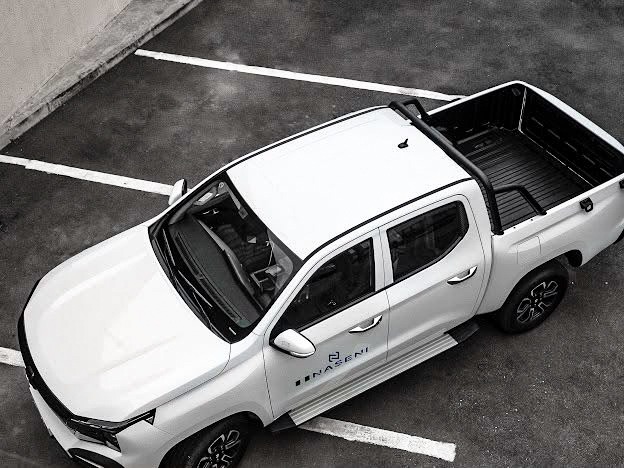
In December 2025, NASENI also unveiled its first locally assembled electric car, a hybrid that pairs battery power with a fuel backup. Built by local engineers in Abuja, it has a spacious cab and a cargo bed, which makes it a pickup-style vehicle. The hybrid design is meant to suit a country where charging stations are scarce.
Why NASENI Electric Vehicles Matter For Nigeria
Nigeria has more than 400,000 tricycles, according to Mobility Rising, making it one of Africa’s biggest keke markets. NASENI competes there with local makers including Innoson, Ecowaka and Swap Energies.
The agency argues local production reduces reliance on imported vehicles, conserves foreign exchange and creates jobs for engineers, welders and technicians. As Daily Trust notes, transport is also a major source of livelihood, so electric and solar variants create new opportunities across the value chain.
What Comes Next For NASENI Electric Vehicles
NASENI chief Khalil Suleiman Halilu said in September that “Nigeria has capable engineers, researchers and innovators,” arguing the gap has been turning ideas into products. NASENI is positioning its HoldCo as the commercial arm and its showroom as a place for buyers to see local products. It has also held talks with Chery Automobile on technology transfer and domestic battery production, and signed a 2022 MoU with Japanese and Israeli firms and PAN Nigeria.
The next test is scale: how many vehicles reach buyers, at what price, and whether local battery production materialises.