Lagos State, ACEN Urge Nigerian Engineers to Embrace AI in Infrastructure Development
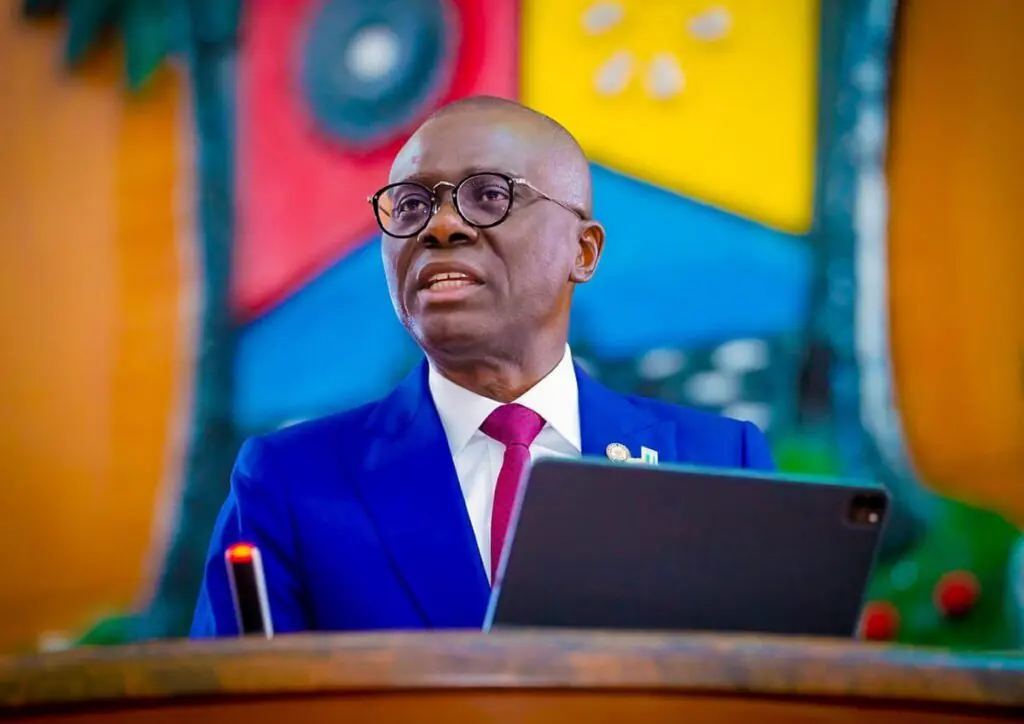
Lagos State and the Association of Consulting Engineering in Nigeria (ACEN) have called on Nigerian engineers to embrace artificial intelligence (AI) in infrastructure development, highlighting its potential to improve project delivery, reduce costs and strengthen the country’s infrastructure systems.
The call was made at ACEN’s 48th Annual Conference, Annual General Meeting and Dinner, held in Lagos on November 10 and 11, 2026. The conference, themed “Infrastructure Development in the Era of AI: Powering the Nigerian Economy,” brought together engineering professionals and industry stakeholders to examine how emerging technologies could transform the sector.
AI Could Help Address Nigeria’s Infrastructure Gap
Speaking at the conference, ACEN President, Kunle Adebajo, said Nigeria requires approximately $100 billion in annual infrastructure investment, while its infrastructure deficit is estimated at $2.3 trillion.
He noted that government spending currently covers less than 30 per cent of the country’s annual infrastructure needs, stressing that the challenge requires more than increased funding. Improved productivity, better project designs, timely delivery and effective maintenance are equally important.
Adebajo identified artificial intelligence as an important tool for addressing these challenges through generative design, predictive analytics, drones, computer vision and digital twins.
These technologies can help engineers improve project planning, monitor infrastructure conditions, identify potential defects and predict maintenance requirements before problems escalate.
Professional Accountability Remains Essential
Despite the opportunities AI presents, stakeholders stressed that technology must not replace professional engineering judgment and responsibility.
Lagos State Governor, Babajide Sanwo-Olu, represented by the Chief Executive Officer of the Lagos State Public Works Corporation, Tokunbo Ajanaku, encouraged engineers to integrate AI into their work while maintaining professional competence and ethical standards.
He noted that AI could support traffic prediction, structural assessments, construction safety and infrastructure maintenance, particularly in a busy city like Lagos.
However, he cautioned that artificial intelligence cannot compensate for poor project preparation, weak supervision or a lack of professional accountability.
The position reinforces the need for engineers to verify AI-generated outputs, apply their technical knowledge and remain responsible for decisions affecting public infrastructure and safety.
ACEN Plans AI Task Force to Support Responsible Adoption
As part of efforts to encourage responsible technology adoption, ACEN announced plans to establish an AI task force focused on promoting the effective use of artificial intelligence in consulting engineering.
The association also plans to integrate AI into its professional training and development programmes to equip engineers with the skills required to adapt to changing industry demands.
The initiative is expected to encourage better understanding of AI applications, professional liability, confidentiality and verification practices within the engineering profession.
The Future of Nigerian Infrastructure
The growing interest in artificial intelligence presents an opportunity for Nigeria’s engineering sector to improve infrastructure planning, construction and management.
However, successful adoption will depend on more than access to technology. Professional expertise, adequate training, ethical standards and accountability must remain central to its implementation.
As Nigeria continues to address its infrastructure challenges, the message from Lagos State and ACEN is clear: artificial intelligence can support better infrastructure development, but professional engineers must remain accountable for the work they deliver.