Untitled Designers Conference 2026: Where Creativity Meets Innovation
A Conference Putting People at the Centre of Design
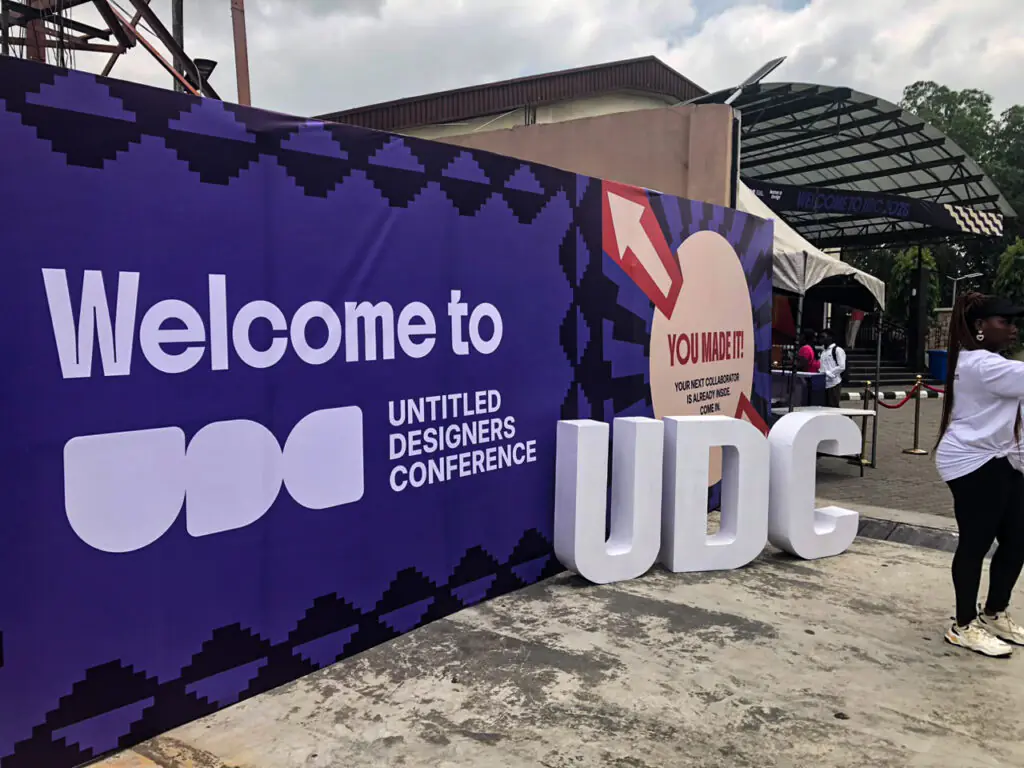
The fifth edition of the Untitled Designers Conference (UDC) 2026, was held on October 16 and 17 at Regal Hall in Ikeja, Lagos, Nigeria, with the theme “Human by Design: Where Culture, Code and Creativity Meet”
In line with its mission, the conference brought together designers, developers, founders and other creative professionals to explore the relationship between human experiences, technology and African identity.
It Organisers reported attendance of more than 3,000 people, reflecting growing interest in design and the wider creative industry. The programme featured industry talks, panel discussions, workshops and the live UDC Design Challenge.
From a Small Initiative to a Growing Creative Community
Untitled Designers began in 2022 as a small initiative founded by Marvis Ighedosa, James Moses and Chukwuka Ezeoke.
Since then, it has grown into a creative community that reports more than 5,000 members across six countries. Its chapters and activities extend beyond Lagos to cities including Abuja, Enugu and Port Harcourt, as well as Ghana.
Human by Design: Where Culture, Code and Creativity Meet
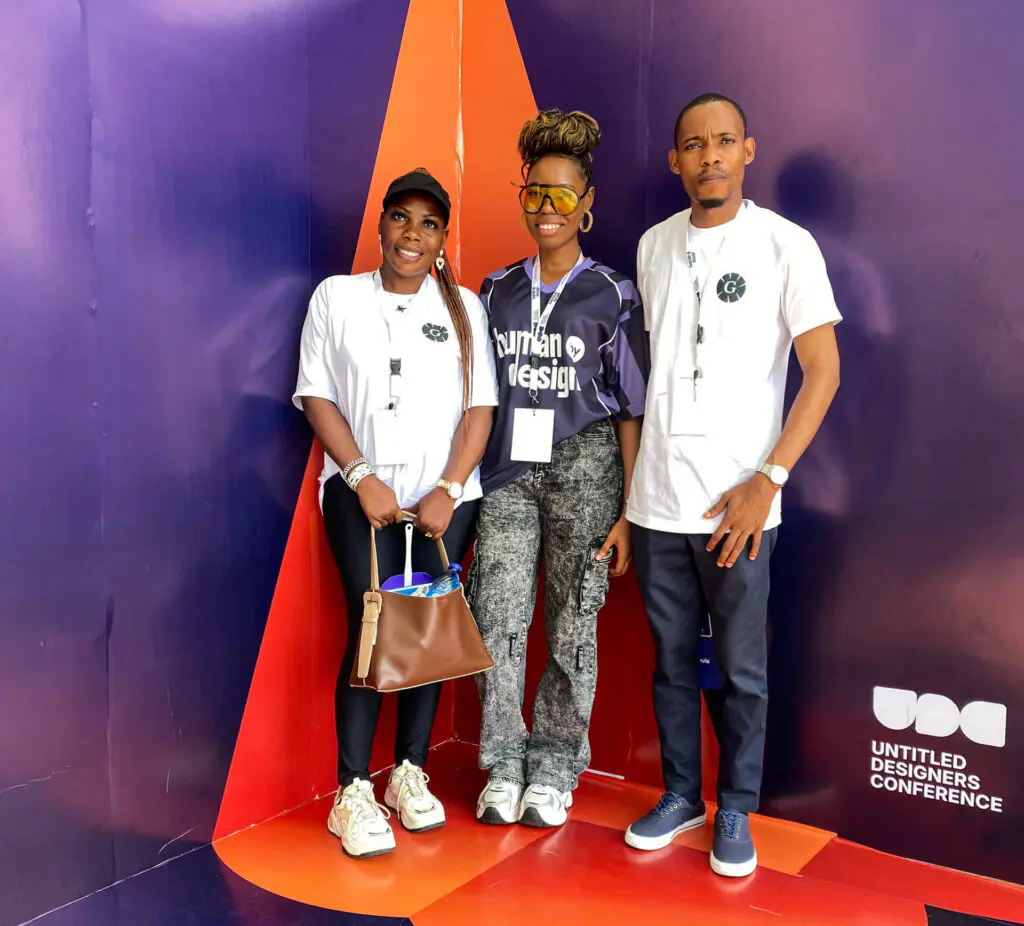
Our team at Glostarep attended the Untitled Designers Conference 2026, and it was an amazing and insightful experience.
Beyond the presentations and discussions, the event gave us an opportunity to connect with other creative professionals, gain fresh perspectives and appreciate the possibilities within Africa’s growing creative industry.
The atmosphere was engaging, and the diversity of ideas shared throughout the conference made it a memorable experience for our team.
At the centre of UDC 2026 was the belief that good design should begin with people, not simply with technology or visual appeal.
The theme connected three important areas of creative work: culture, code and creativity.
Culture explored how designers can reflect the experiences and identities of the communities they serve. Code examined the role of technology and engineering in building digital products, while creativity focused on turning ideas into meaningful solutions.
The programme was organised around four tracks covering creative craft and tools, product development and engineering, creative business, and leadership within the wider creative ecosystem.
These conversations highlighted an important distinction: an attractive product is not automatically a useful one. Effective design also requires understanding people’s needs, their environment and the problems they are trying to solve.
Obasola Akintola Challenges African Design Stereotypes
One of the standout moments reported from the conference was a presentation by Obasola Akintola, a senior brand designer at Chowdeck.
His session, titled “African Visual Identity, Beyond the Obvious,” challenged designers to rethink the familiar visual shortcuts often used to represent Africa.
Akintola opened with a simple exercise, asking attendees to close their eyes and picture an African brand.
The question encouraged the audience to consider the images, colours and symbols that immediately come to mind when African design is mentioned.
His central argument was that African visual identity should not be restricted to a narrow collection of familiar cultural references.
Instead, designers should express their identities through everyday experiences, language, humour, interests and surroundings.
The presentation reportedly illustrated this approach through bold colours, Pidgin expressions and contemporary references, including a fondness for Helvetica and roasted corn.
The result was a creative expression rooted in lived experience rather than external expectations of what African design should look like.
Akintola’s presentation generated interest among attendees, who requested access to his slides. He subsequently shared the deck publicly.
The message extends beyond graphic design. Fashion brands, content creators, advertisers and businesses can also benefit from developing identities that reflect their actual audiences rather than relying on generic trends.
African creativity does not need to abandon tradition. It can draw from tradition while embracing modern experiences and individual perspectives.
UDC 2026
UDC 2026 also recognised that building a successful creative career involves more than mastering design software.
Its four-track programme connected practical skills with product development, entrepreneurship and leadership.
The craft-focused sessions explored design tools and techniques, including the role of artificial intelligence in creative work. The product-focused track examined the relationship between design, engineering and the development of useful digital products.
Another track addressed the business of creativity, including the realities of running a studio and turning creative skills into sustainable work.
The leadership-focused discussions explored the people and communities shaping the future of the industry.
Together, these areas presented a broader picture of the creative profession.
A designer may produce excellent work but still struggle without effective communication, client management, pricing and collaboration skills.
Similarly, a promising product can fail if its creators overlook the needs of its intended users.
By connecting these subjects, the conference encouraged professionals to consider the entire creative process, from the first idea to the final product and the business supporting it.
UDC Design Challenge Brings Practical Competition to the Programme
The live UDC Design Challenge was another major feature of the 2026 edition.
The competition offered participants an opportunity to demonstrate their skills in a practical setting.
According to event announcements, the advertised prize package included ₦500,000 for the winning team, three months of mentorship with a senior creative director, and access to future UDC events.
The challenge complemented the conference’s wider emphasis on learning through practice.
Design requires more than understanding principles in theory. It involves interpreting a brief, making decisions, working within constraints and explaining the reasoning behind a solution.
For emerging designers, practical challenges also provide opportunities to demonstrate their abilities and learn from experienced professionals.
The announced prize package combined financial support with mentorship, giving the challenge both a competitive and developmental purpose.
What UDC 2026 Means for Africa’s Creative Industry
The conference’s reported attendance and growing community highlight the importance of professional networks within Africa’s creative economy.
As businesses increasingly depend on digital products, distinctive branding and engaging customer experiences, designers contribute to more than a company’s appearance.
Their work can influence how customers understand products, interact with services and connect with brands.
The rise of AI-assisted tools adds another dimension to this responsibility. While technology can speed up parts of the creative process, it does not remove the need for sound judgment, cultural understanding and original thinking.
The central question is not simply how quickly designers can produce work. It is whether that work solves a real problem and offers something meaningful to its intended audience.
UDC 2026 placed these questions within an African context, encouraging conversations about cultural identity, technology, entrepreneurship and the communities building the continent’s next generation of products and brands.
The conference’s growth also illustrates the value of investing in creative communities. Shared learning and professional connections can help individuals develop their skills while strengthening the wider ecosystem.